
The 5 Best Survival Water Filters 2026
A close look at the 5 best survival water filters of 2026 — from ultralight bug-out-bag water filters to rugged, long-term purifiers. I own and have tested three out of these five products personally and have put them through rigorous testing on a variety of rucking trips.
Written By: Ian Freng-Meeteer
Last updated 1 January 2026
Some of the links on this page are affiliate links & we may receive a small commission on purchases at no extra cost to you.
Staying hydrated in an emergency isn’t optional — it’s essential. Whether you’re bugging out, hiking off-grid, or prepping for the unexpected, having a reliable way to filter water can make all the difference. With so many options on the market, choosing the right gear can be overwhelming. That’s why we’ve rounded up the best survival water filters of 2026 to help you find the most dependable, portable, and effective tools available. These filters are built for real-world use — compact, rugged, and ready when you need them most.
In 2026, access to clean water is more critical than ever. Whether you’re preparing for natural disasters, building a bug-out bag, planning backcountry adventures, or ensuring your family’s emergency preparedness, a reliable water filter is non-negotiable. Waterborne illnesses like Giardia, Cryptosporidium, and E. coli can incapacitate you within hours—and in a survival situation, that could be fatal.
The survival water filter market has evolved significantly. Today’s best survival water filters are lighter, more effective, and more affordable than ever before. But with hundreds of options available, choosing the right one requires understanding filtration technology, knowing which contaminants you’re facing, and matching the tool to your specific scenario.
I’ve personally tested three of the five filters on this list during multi-day rucking trips, emergency drills, and backcountry camping. I’ve filtered from questionable streams, tested flow rates, evaluated durability, and pushed these filters to their limits. The recommendations below aren’t based on marketing claims—they’re based on real-world performance in conditions that matter.
This guide covers everything from ultralight bug-out filters weighing under 3 ounces to premium systems built to last decades. Whether you’re a weekend hiker, serious prepper, or international traveler, you’ll find the best survival water filter for your needs. Read on to find the right one for your survival kit.
Our Top 5 Picks For Best Survival & Bug Out Water Filters in 2026
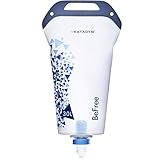
Best Overall Survival Water Filter
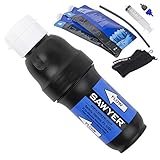
Best Ultralight Water Filter
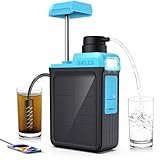
Best Solar Water Filter
Best All-In-One Water Filter
Ketadyn Pocket Water Filter
Quick Comparison: Best Survival Water Filters 2026
| Filter | Weight | Lifespan | Removes Viruses? | Best For | Price Est |
|---|---|---|---|---|---|
| Katadyn BeFree | 2.3 oz | 1,000L | No | Ultralight backpacking | $80 |
| Sawyer Squeeze | 3 oz | 100,000 gal | No | Bug out bags | $45 |
| BKLES Solar | 5 lbs | 5,000L | Yes | Base camps | $75 |
| GRAYL GeoPress | 15.9 oz | 65 gal/cartridge | Yes | International travel | $100 |
| Katadyn Pocket | 20 oz | 13,000 gal | No | Long-term survival | $330 |
How to Choose the Best Survival Water Filters For Your Planning
When selecting the best survival water filters, consider the following factors:
- Purpose:
Are you preparing a bug-out-bag, preparing for general emergencies or bugging in? - Weight and Size:
Ultralight options are best for bugging out while while larger systems suit base camps. - Filtration Capabilities
Ensure the filter removes the contaminants you’re likely to encounter. - Ease of Use:
In high-stress situations where time is of the essence, simplicity is key. - Durability and Length of Effective Use:
Not all water filters are made equal and some last far longer before needing replacement.
1. Ketaydn Be-Free Gravity Water Filter – Best Survival Water Filters 2026

- 0.1 micron water filter removes harmful organisms like bacteria 99.9999% and protozoa like giardia & cryptosporidium 99.9%, surpassing epa standards
- filters up to 1,000 liters of contaminated water without using chemicals or other devices
- hydrate quickly and easily with the free flow channels fast flow rate up to 2l per minute
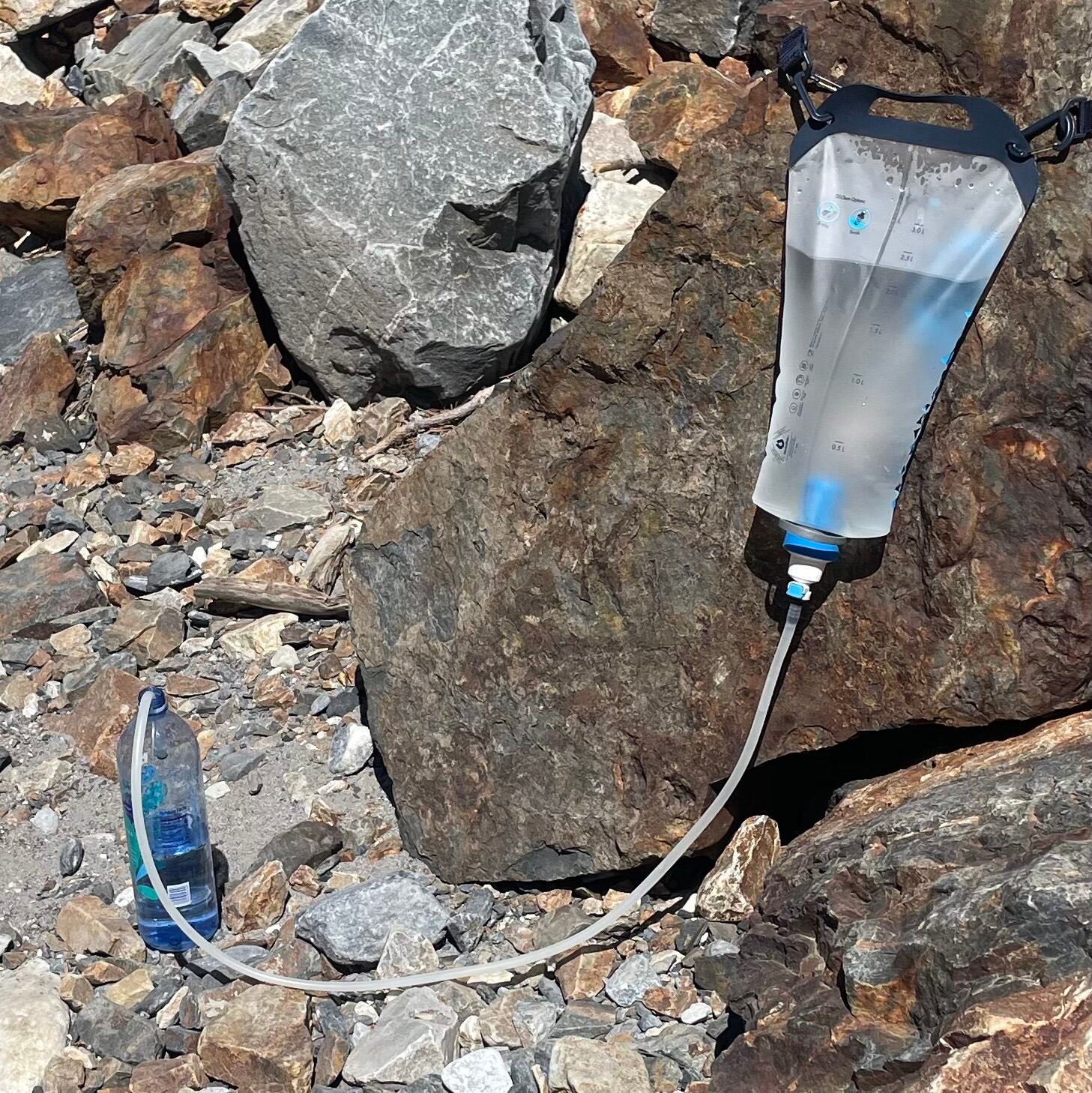
The Katadyn BeFree is my go-to for lightweight trips and I keep one in my bug-out-bag as well. Its compact design and ease of use make it perfect for quick hikes or minimalist backpacking. The flexible bottle collapses when empty, saving space in your pack. I have used this for years and it is still holding up. I would say the Ketadyn is one of the best survival water filters you can get in 2026 for all around use & purposes.
Pros of the Ketadyn Be-Free Gravity Filter
- Ultralight, compact & doesn’t depend on anything but gravity and a water supply
- Fast flow rate
- Easy to clean
- Best if you have multiple people to worry about providing water for and are on the go
Cons:
- Not suitable for heavy sediment water (I have used this straight from streams with clear to semi-clear running water and it works great)
2. Sawyer Squeeze
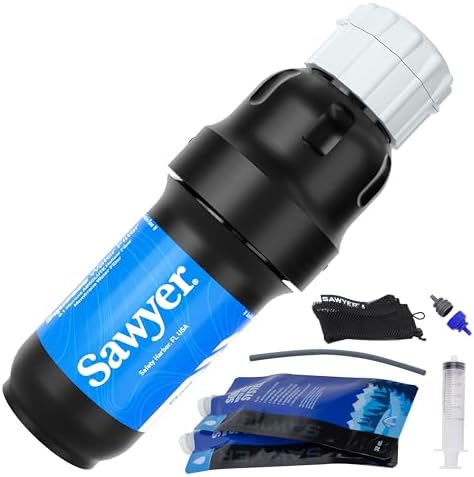
- Lightweight, easy to use portable water filter removes harmful bacteria, protozoa, cysts, sediment, And 100% of microplastics; Perfect for outdoor adventures, travel, or emergency preparedness
- High-Performance 0.1 micron absolute inline filter fits in the palm of your hand and weighs just 2 ounces
- 100% of squeeze units individually tested three times to performance standards by sawyer
For those who count every ounce, the Sawyer Squeeze is a lightweight champion. It’s compact, easy to use, and effective against bacteria and protozoa. Ideal for bug-out-bags, solo hikers and minimalist preppers.
Pros of the Sawyer Squeeze Water Filter:
- Extremely lightweight and fits in any backpack or bug-out-bag
- Versatile with various water containers
- Long-lasting filter life (I’ve been using mine now for 3 years)
Cons:
- Requires squeezing effort… duh
- Not effective against all viruses (works well with clear, flowing water sources but I wouldn’t rely on it with muddy water sources)
3. BKLS Solar Water Filter With Hand Pump

- 3-in-1 Innovative Water Filtration System Survival – BK3000 water filter supports electric and hand pump modes as well as solar charging. The solar electric water filter features dual 0.01-micron ultrafiltration membranes and a 6-stage water purification system composed of PP cotton, KDF, activated carbon, and coconut activated carbon fibers. Effectively improve water taste and quality. It has a b…
- Easy-to-Use Water Filter Camping – Simply press a button to get clean water in rivers, lakes, streams and most water sources. With a maximum flow rate of 800~1000 ml/min, it can filter up to 240,000 ml per charge. In the process of automatic water dispensing, free your hands and you can handle other things. If the camping water filter runs out of power, with the upgraded hand pump, you can still g…
- Lightweight and Portable Water Filter for Outdoor Adventures – The water purifier survival weighs only 450 grams (0.99 pounds), making it easy to carry. The included storage case can store all accessories and can be attached to a backpack for quick and easy access. Travel water filter is an essential gear for emergency water needs such as camping, hiking, survival, backpacking, hurricane, hunting,…
For extended stays or group camping, the BKLES Solar Electric Water Filter offers convenience and efficiency. Its solar-powered system ensures continuous operation without the need for manual pumping. It’s a bit bulkier, but the benefits outweigh the size for stationary setups. If you are looking for water filtration for a camp or outpost I would choose this water filtration system.
Pros of the BKLS Solar Water Filter
- Best for Base Camps
- Solar-powered operation
- High-capacity filtration
- Multiple filtration stages that can purify water straight from lakes
Cons:
- Not suitable for ultralight travel
- Requires sunlight for optimal performance
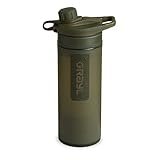
4. Grayl GeoPress

- PURIFY WATER ANYWHERE: Make sketchy water clean to drink. Ideal for outdoor adventures (hiking, camping, backpacking, fishing, hunting, bushcraft), global travel, and survival situations. Simply – Fill. Press. Drink!
- REMOVES ALL PATHOGENS: Viruses (e.g. rotavirus, norovirus, hepatitis A), bacteria (e.g. E. Coli, salmonella, dysentery), and protozoa (e.g. giardia, cryptosporidium, amoebae).
- FILTERS particulates (e.g. sediment, microplastics) and adsorbs volatile organic compounds (VOCs), PFAS, chemicals, pesticides, herbicides, heavy metals, flavors and odors
When traveling to areas with questionable water sources, the GRAYL GeoPress is my purifier of choice. It effectively removes viruses, bacteria, and protozoa, providing peace of mind in diverse environments. The integrated bottle design simplifies the purification process.
Pros of the Grayl GeoPress Water Filter:
- Removes a wide range of contaminants
- Durable construction and the best all-in-one option
- Quick purification process (about 10 seconds)
Cons:
- Heavier than other options as it’s a 24 ounce bottle with internal filter
- Higher price point
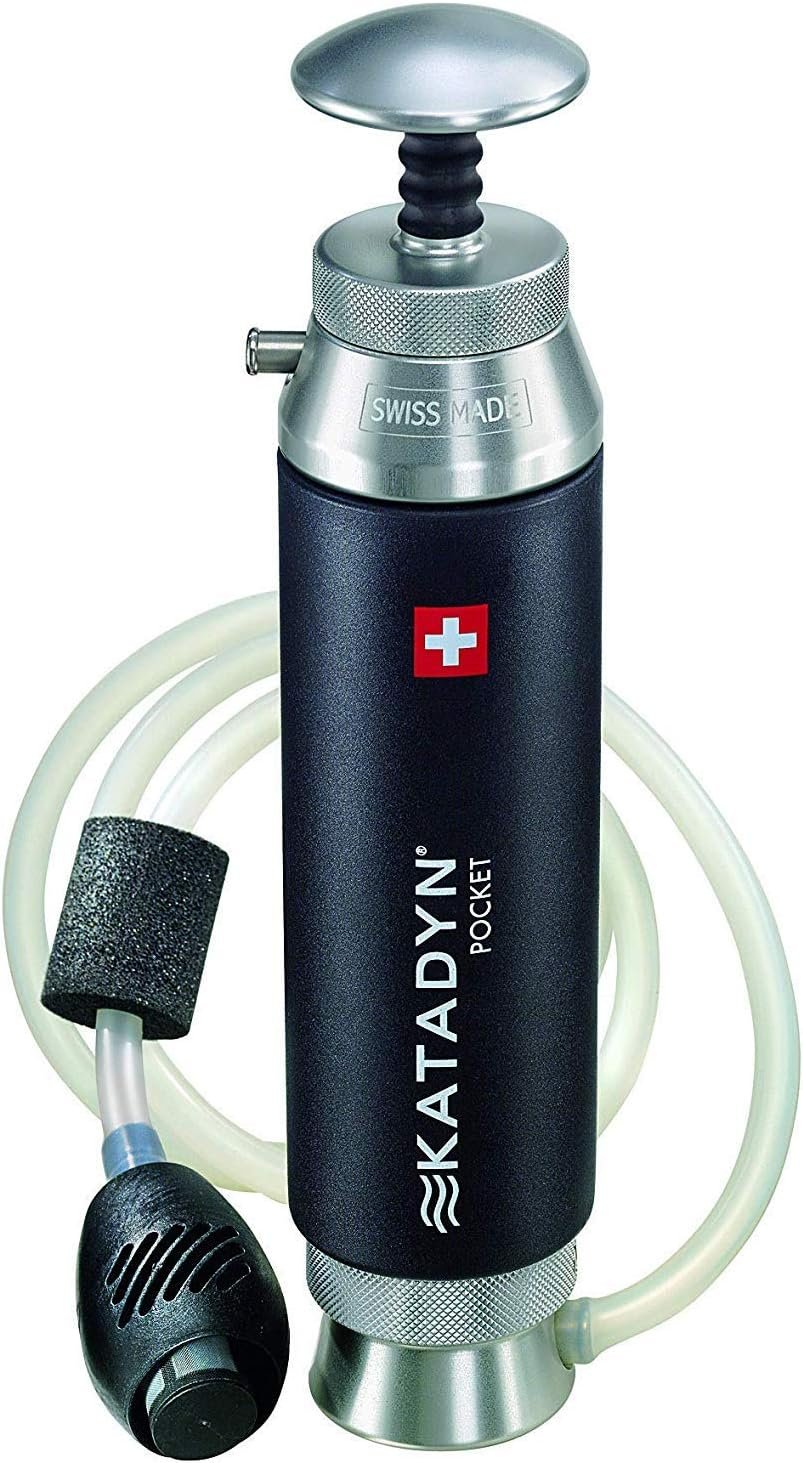
5. Katadyn Pocket Water Filter – Best Premium Survival Filter
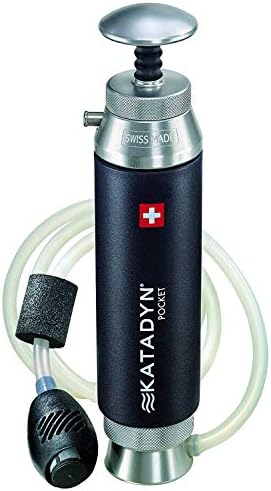
- ULTIMATE FILTRATION: Field cleanable ceramic cartridge with .0002 mm pores removes bacteria (99.9999% Klebsiella terrigena) and protozoan cysts (99.9% Giardia and Cryptosporidium). Suitable for long-term extreme use in clear, turbid, or silty water.
- SWISS QUALITY & DURABILITY- 20-YEAR GUARANTEE. This steel bomb-proof filter is trusted by military and emergency professionals around the world to deliver water free of bacteria and protozoa.
- RELIABLE HIGH OUTPUT: Generates up to 1 liter of filtered drinking water per minute. Suitable for 1 to 4 people.
The Katadyn Pocket is the gold standard for serious preppers and survivalists. This Swiss-made filter is built like a tank and trusted by military and emergency professionals worldwide.
Why the Katadyn Pocket Water Filter Is The Best
Field-Proven Durability This isn’t a disposable filter—it’s a 20-year investment. The stainless steel construction can handle extreme conditions, and the ceramic filter cartridge lasts up to 13,000 gallons before needing replacement. Most survival situations won’t even put a dent in its lifespan.
0.0002 Micron Filtration Removes 99.9999% of bacteria (including E. coli and Klebsiella) and 99.9% of protozoan cysts (Giardia and Cryptosporidium). Works in clear, turbid, or silty water—critical when you can’t be picky about water sources.
High Output for Groups Produces 1 liter per minute, making it ideal for 1-4 people. Unlike personal straws, this can handle family or group needs during emergencies.
Field Cleanable The ceramic element can be brushed clean in the field with the included cleaning pad. No need to carry replacement filters on long trips—just clean and keep using it.
Pros:
- Military-grade durability (20-year warranty)
- Highest filtration standard (0.0002 micron)
- 13,000 gallon lifespan
- Field maintainable
- High flow rate (1L/minute)
- Works in any water condition
Cons:
- Premium price ($329.95)
- Heavier than ultralight options (20 oz)
- Slower than some pump filters
Best For:
Serious preppers, families, group camping, bug-out bags, and anyone who wants a filter that will last decades. If budget allows, this is the filter to buy once and never worry about again.
Price: $329.95
My Rating: 5/5 – The best survival water filter money can buy
Understanding Water Contaminants: What Your Filter Removes
Before choosing a filter, understand what you’re filtering out:
Bacteria (0.2-2 microns)
E. coli, Salmonella, Cholera, Campylobacter. These cause diarrhea, vomiting, fever, and dehydration. Found in water contaminated by animal or human waste. All filters on this list remove 99.9999% of bacteria.
Protozoa (2-50 microns)
Giardia and Cryptosporidium. These parasites cause severe digestive illness lasting weeks, with symptoms including explosive diarrhea, cramping, and weight loss. Common in wilderness water sources, even pristine-looking mountain streams. All filters remove 99.99% of protozoa.
Viruses (0.02-0.3 microns)
Hepatitis A, Norovirus, Rotavirus, and others. Viruses are too small for most filters to catch—only purifiers like the GRAYL GeoPress with finer pores (0.02 micron) or chemical treatment can remove them. Critical for international travel or urban water contamination.
Sediment & Debris
Dirt, sand, silt, and organic matter. While not directly harmful, sediment clogs filters and makes water cloudy and unappetizing. Pre-filter muddy water through a bandana or coffee filter, or let it settle before filtering to extend filter lifespan.
Chemicals & Heavy Metals
Pesticides, industrial pollutants, lead, mercury, and other chemical contaminants. Most mechanical filters do NOT remove chemicals—you need activated carbon filtration (like GRAYL’s) for this. In survival situations, avoid obviously contaminated industrial water sources when possible.
Bottom line: For wilderness water, any filter on this list works. For international travel or urban disasters where viruses are a concern, choose a purifier (GRAYL or add chemical treatment).
Best Survival Water Filter for Your Situation
Not sure which filter to choose? Here’s my recommendation based on your specific scenario:
Bug Out Bag / Ultralight
Best Choice: Sawyer Squeeze or Katadyn BeFree
Why: Under 3 oz, incredibly compact, proven reliability, affordable ($45). Both fit in any pack and won’t weigh you down when every ounce counts. The Sawyer Squeeze edges ahead slightly for its 100,000-gallon lifespan.
Family/Group Emergency
Best Choice: Katadyn Pocket or BKLES Solar
Why: High flow rate (1L/minute for Katadyn), large capacity, extreme durability. When you’re providing water for 4+ people, speed and reliability matter more than weight. The Katadyn Pocket’s 13,000-gallon lifespan means you won’t be replacing filters during a crisis.
International Travel
Best Choice: GRAYL GeoPress
Why: Removes viruses (critical overseas), all-in-one bottle design, works in 10 seconds. Perfect for sketchy water sources in developing countries where viral contamination is common. TSA-friendly and doesn’t require setup.
Long-Term Off-Grid / SHTF
Best Choice: Katadyn Pocket
Why: 13,000-gallon lifespan (enough for 1 person for 35+ years), field-cleanable ceramic element, 20-year warranty, works in any water condition. This is the “buy once, never worry again” filter. Worth the $330 investment for serious preppers.
Budget Prepping (Under $50)
Best Choice: Sawyer Squeeze
Why: $45, lasts 100,000 gallons (lifetime supply for most people), proven reliability, used by thru-hikers worldwide. Best bang-for-buck in survival water filtration. Buy two and you’re set for life.
Base Camp / Stationary Setup
Best Choice: BKLES Solar or gravity filter
Why: Effortless hands-free operation, filters while you do other tasks, high volume capacity. Perfect for established camps where weight doesn’t matter but convenience does. Solar power means no pumping required.
Urban Emergency / Home Preparedness
Best Choice: GRAYL GeoPress or Katadyn Pocket
Why: Handles questionable urban water (potentially contaminated with sewage/chemicals), fast operation, no complex setup. GRAYL for apartments/portability, Katadyn for families with storage space.
How to Maintain Your Survival Water Filter
Proper maintenance extends filter life and ensures safe drinking water when you need it most.
Proper Storage
After Each Use:
- Rinse filter thoroughly with clean water
- Dry completely before storage (hang to air dry for 24-48 hours)
- Never store a wet filter—moisture breeds mold and bacteria
- Store in a cool, dry place away from direct sunlight
- Keep in original packaging or breathable bag (not sealed plastic)
Cold Weather Warning: Never store or transport a filter that might freeze. Water freezing inside hollow fiber membranes expands and cracks them permanently. If camping in freezing temps, sleep with your filter in your sleeping bag.
Cleaning Schedule
After Each Trip:
- Flush filter with clean water to remove trapped particles
- Back-flush if your model supports it (Sawyer Squeeze)
- Dry completely
Monthly (if unused):
- Flush with clean water to prevent bacterial growth
- Check for visible damage or wear
Annually:
- Deep clean according to manufacturer instructions
- Replace cartridges if needed (GRAYL every 65 gallons)
- Inspect O-rings and seals for damage
Field Maintenance by Model
Sawyer Squeeze: Back-flush with included syringe every 5-10 uses or when flow slows. Fill syringe with clean filtered water, attach to filter outlet, and push water backward through filter to dislodge trapped particles. Takes 30 seconds.
Katadyn BeFree: Shake and swish filter vigorously in clean water. The collapsible bottle makes this easy—just fill with clean water and shake hard for 10-15 seconds. No tools needed.
Katadyn Pocket: Brush ceramic element with included cleaning pad until the original white color returns. Scrub gently in circular motions to remove built-up sediment. Field-cleanable hundreds of times before element needs replacement.
GRAYL GeoPress: No field maintenance possible. When flow rate slows significantly (usually after 65 gallons), replace the purifier cartridge. Carry a spare cartridge for extended trips.
BKLES Solar: Clean pre-filter screens regularly. Replace filter cartridges according to manufacturer schedule (typically every 5,000 liters). Check solar panel for dirt/debris.
Signs You Need Replacement
- Dramatically reduced flow rate even after thorough cleaning
- Visible cracks or damage to filter housing or membranes
- Unusual taste or smell in filtered water (musty, plastic, chemical)
- Reached manufacturer’s lifespan rating (even if it still works)
- Filter was frozen (assume it’s compromised)
Don’t risk it: When in doubt, replace the filter. The cost of a new filter is far less than the cost of waterborne illness in a survival situation.
Emergency Field Repairs
Cracked housing: Wrap tightly with duct tape as temporary fix. Replace ASAP.
Lost O-ring: Can sometimes substitute with rubber band doubled over, but this is unreliable. Carry spare O-rings.
Clogged beyond cleaning: Pre-filter water better (through cloth) and clean filter more frequently.
Pro tip: Always carry a backup filtration method—purification tablets, bleach, or a second lightweight filter. Redundancy saves lives.
Frequently Asked Questions About Survival Water Filters
Final Thoughts Regarding The Best Survival Water Filters of 2026
When it comes to survival, few things are more important than clean drinking water. I’ve learned over the years that no matter how prepared you think you are, situations change fast—and having a reliable water filter can mean the difference between thriving and just getting by.
Each of the filters on this list has a specific strength, whether it’s the compact ultralight convenience of the Katadyn BeFree, the versatility of the Sawyer Squeeze, or the comprehensive protection you get with the GRAYL GeoPress. And for those of us thinking long-term or preparing for group use, the solar-powered BKLES or tactical-ready TRAILGO offer peace of mind when the grid goes down.
My advice? Think through how you’ll actually use your gear. Are you looking for something to throw in a bug-out bag, or are you building out a full emergency kit at home? Will you be filtering from murky lakes, mountain streams, or uncertain city sources? The right tool depends on the job—and having the wrong one could leave you high and dry (literally).
Whatever your setup, don’t leave water filtration as an afterthought. It’s one of the most critical, and yet most overlooked, pieces of any survival plan. And in 2026, with more extreme weather events, supply chain issues, and global uncertainty, having access to safe water is no longer just a backcountry concern—it’s an everyday preparedness essential.
Stay safe, stay prepared, and drink clean. I hope you found this data useful in your preparedness planning.