The Best Survival First Aid Kits of 2026
 By Ian Freng-Meeteer
Updated November 11, 2026
A good first aid kit is one of the most important things you can own for the trail, the car or the house, and the kit you know how to use is worth more than the biggest one. My #1 is the My Medic MyFAK. The rest of the list covers a compact hiking kit, a large organized home kit, a bleeding-control pouch and a small kit for bags and vehicles. A kit is only half of it: a basic first aid or wilderness first aid course is the best upgrade you can make.
Best survival first aid kits compared
| Product | Size | Best for | Buy |
|---|---|---|---|
 My Medic MyFAK
Best overall |
Medium | Vehicles, families, backcountry | Check price on Amazon |
 AMK Mountain Hiker
Best for hiking |
Small | Day hikes, 1–2 people | Check price on Amazon |
 Surviveware Comprehensive
Best for home |
Large | Home, base camp | Check price on Amazon |
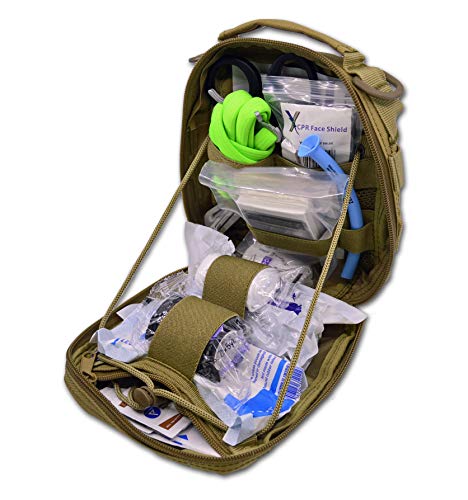 Lightning X Bleeding Control
Best bleeding-control kit |
Small pouch | Add-on to a main kit | Check price on Amazon |
 My Medic Sidekick
Best small kit |
Small | Bags, glovebox, day trips | Check price on Amazon |
We may earn a commission when you buy through links on this page, at no extra cost to you. As an Amazon Associate we earn from qualifying purchases.
Quick picks
- Best overall: My Medic MyFAK: the well-organized kit I carry.
- Best for hiking: AMK Mountain Hiker: a compact, light kit for day hikes.
- Best for home: Surviveware Comprehensive: a large, clearly labeled kit for the house.
- Best bleeding-control kit: Lightning X Bleeding Control: a compact pouch focused on serious bleeding.
- Best small kit: My Medic Sidekick: a small kit for bags and vehicles.
How to choose the best survival first aid kit
The MyFAK is the kit I own and carry. The others are chosen from research and owner reviews to cover different situations. This page is general information, not medical advice. Get trained, and follow your training and local emergency guidance.
1. My Medic MyFAK: best overall
My Medic MyFAK Standard First Aid Kit
A comprehensive, well-organized kit built in the USA.
- Size Medium
- Best for Vehicles, families, backcountry
What we like
- Extensive, well-organized supplies
- Durable bag
- HSA/FSA eligible
What we don't
- More than casual day hikers need
- Pricey
This is the kit I carry. It has a wide range of supplies for everyday injuries plus more serious bleeding, organized so you can find things quickly under stress. The bag is durable and it’s HSA/FSA eligible.
Where it falls short: it’s more than a casual day hiker needs, and it’s expensive.
2. AMK Mountain Hiker: best for hiking
Adventure Medical Kits Mountain Series Hiker
A compact, lightweight kit for day hikes and short trips.
- Size Small
- Best for Day hikes, 1–2 people
What we like
- Light and compact
- Organized by injury type
- Affordable
What we don't
- Limited supplies for groups or long trips
Adventure Medical Kits’ Hiker is a light, compact kit organized by injury type, with the essentials for blisters, cuts and sprains on the trail.
Where it falls short: it’s sized for one or two people on short trips.
3. Surviveware Comprehensive: best for home
Surviveware Comprehensive Premium First Aid Kit
A large, clearly organized kit for home and car.
- Size Large
- Best for Home, base camp
What we like
- Large supply count
- Labeled compartments
- Water-resistant bag
What we don't
- Bulky
A large kit with clearly labeled compartments, so anyone in the family can find what they need quickly. A good anchor for a home emergency kit.
Where it falls short: it’s bulky for a backpack.
4. Lightning X Bleeding Control: best bleeding-control kit
Lightning X Individual Bleeding Control Kit (MOLLE)
A compact pouch focused on serious bleeding.
- Size Small pouch
- Best for Add-on to a main kit
What we like
- Focused on bleeding control
- Compact MOLLE pouch
- Affordable
What we don't
- Not an everyday first aid kit
- Requires training to use well
A compact pouch focused on controlling serious bleeding, designed to add onto a general first aid kit in a vehicle or pack. Bleeding-control supplies are only useful with training, so pair this with a course such as Stop the Bleed.
Where it falls short: it’s not an everyday first aid kit, and it needs training to be used effectively.
5. My Medic Sidekick: best small kit
My Medic Sidekick First Aid Kit
A small, organized kit that fits in a bag or glovebox.
- Size Small
- Best for Bags, glovebox, day trips
What we like
- Compact
- Well organized
- Good quality supplies
What we don't
- Limited supplies
My Medic’s Sidekick is a small, well-organized kit that fits in a day pack, bug-out bag or glovebox.
Where it falls short: it’s limited for bigger injuries or groups.
Building your kit
- Get trained: a first aid, CPR or wilderness first aid course matters more than any kit.
- Add personal items: your own medications, allergy treatments and spare glasses.
- Check expiration dates once or twice a year and restock what you use.
- One kit per place: house, each vehicle and your hiking pack.
First aid kit vs. bleeding-control kit
A general survival first aid kit covers everyday injuries: cuts, blisters, burns, sprains and pain. A bleeding-control (or trauma) kit focuses on severe bleeding and is meant to supplement a general kit, not replace it. Both are far more useful with training. A first aid, CPR or Stop the Bleed course is the best upgrade you can make.
What should be in a survival first aid kit?
- Adhesive bandages, gauze pads and rolls, and medical tape.
- Blister care (moleskin or blister bandages) for hikers.
- Antiseptic wipes and antibiotic ointment.
- Gloves, tweezers, trauma shears and a SAM-style splint.
- Pain relievers, antihistamines and your own prescription medications.
- An emergency blanket and a small first aid guide.
- Bleeding-control supplies, if you’re trained to use them.
Survival first aid kit FAQ
What is the best survival first aid kit in 2026?
The My Medic MyFAK, the survival first aid kit I carry. It’s comprehensive and well organized. For day hikes, the Adventure Medical Kits Hiker is a lighter option.
What’s the difference between a trauma kit and a first aid kit?
A first aid kit handles everyday injuries; a trauma or bleeding-control kit focuses on severe bleeding. Most people should have a good general kit first and add bleeding-control supplies with training.
Should a bug-out bag include a first aid kit?
Always. A compact, well-organized kit plus your personal medications is one of the most important items in any bug-out bag.
Can you build your own kit instead of buying one?
Yes, and many people customize a pre-made kit. Building your own lets you add personal medications and higher-quality supplies, but buying first is easier for most people.
Final thoughts on the best survival first aid kits
After more than a few backcountry trips, I can say a good survival first aid kit, and knowing how to use it, matters more than almost any other gear. Start with the MyFAK or the AMK Hiker, add your own medications, and take a course. This page is general information, not medical advice.