
The Best Electric Mountain Bikes of 2026
 By Ian Freng
Updated November 12, 2026
An electric mountain bike lets you climb farther, ride longer and get back to the trailhead with energy left. The best electric mountain bike for you depends on how rough your trails are and how much you want to spend: a hardtail with a good fork handles gravel roads and flowy dirt, while full suspension smooths out rocks and roots. These five e-MTBs cover every budget, from about $650 to $1,700.
Best electric mountain bikes compared
| Product | Motor | Battery | Claimed range | Tires | Best for | Buy |
|---|---|---|---|---|---|---|
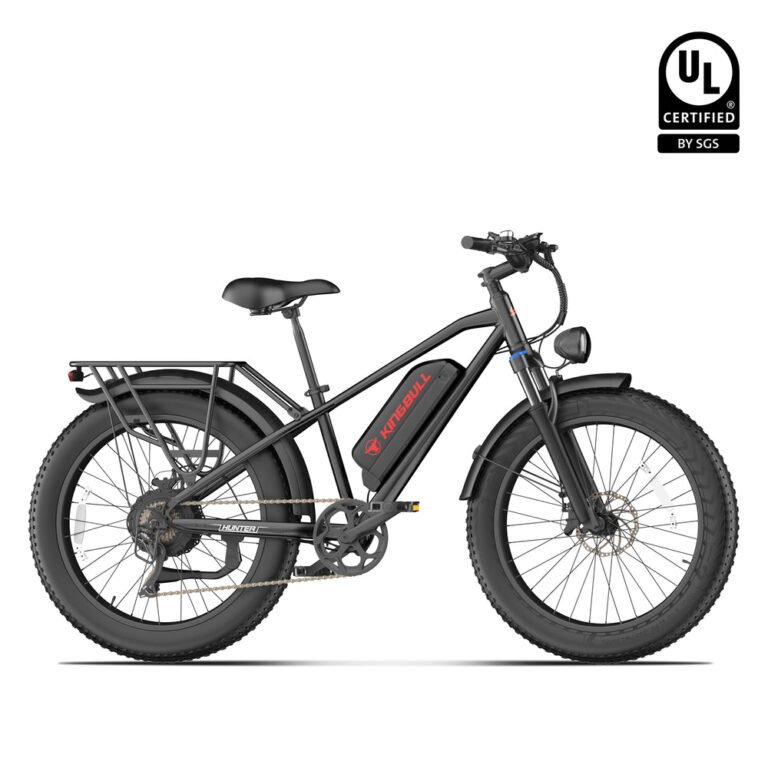 Kingbull Hunter 2.0S
Best overall |
750W hub | 864Wh (48V 18Ah) | 80+ miles | 26" x 4" | Trails, gravel, all-around | $949 at Kingbull |
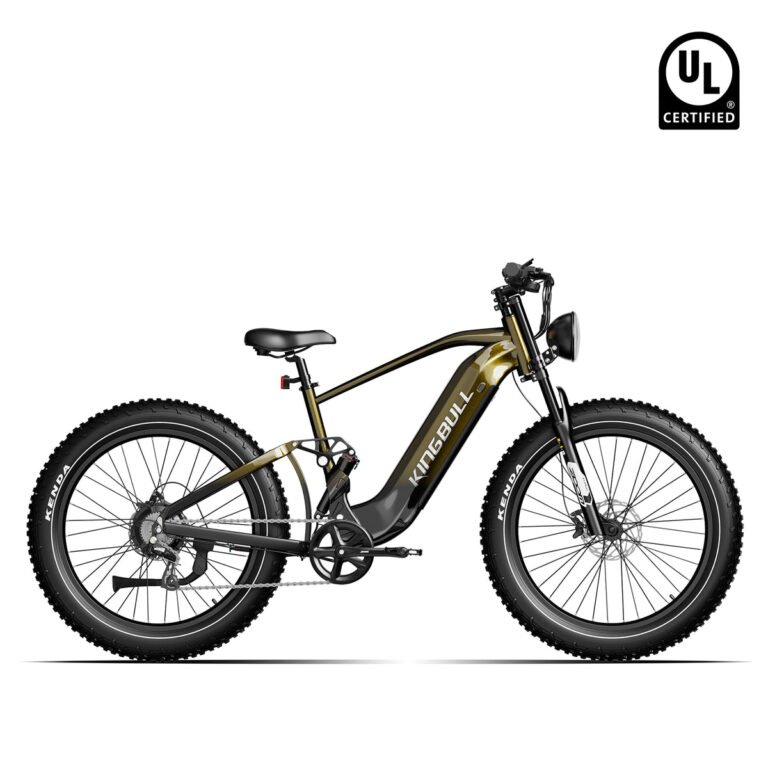 Kingbull EX-Titan
Best full suspension |
750W Bafang hub | 960Wh (48V 20Ah) | 80 miles | 26" x 4" | Rough trails, heavy riders | $1,699 at Kingbull |
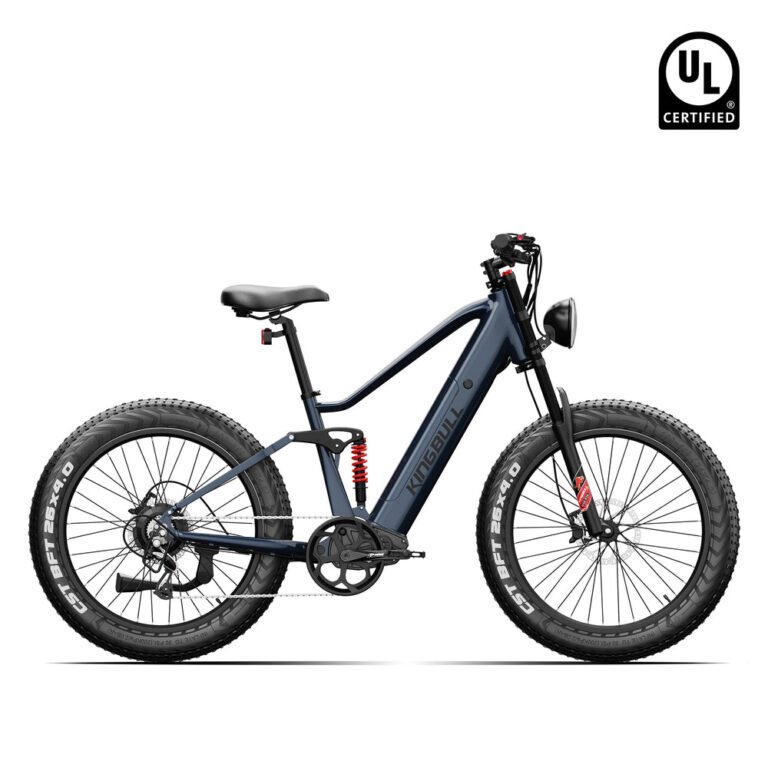 Kingbull Rover 2.0
Best value full suspension |
750W hub (1300W peak) | 720Wh (48V 15Ah) | 60 miles | 26" x 4" | Comfort on rough roads | $1,299 at Kingbull |
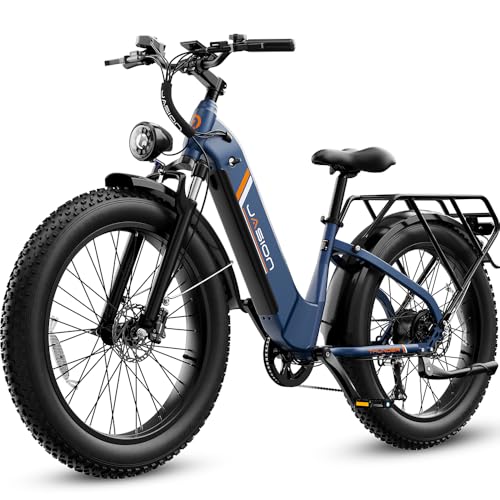 Jasion Thunder
Best on Amazon |
1800W peak | removable | up to 80 miles | 26" x 4" | Budget, Amazon buyers | $659.99 at Amazon |
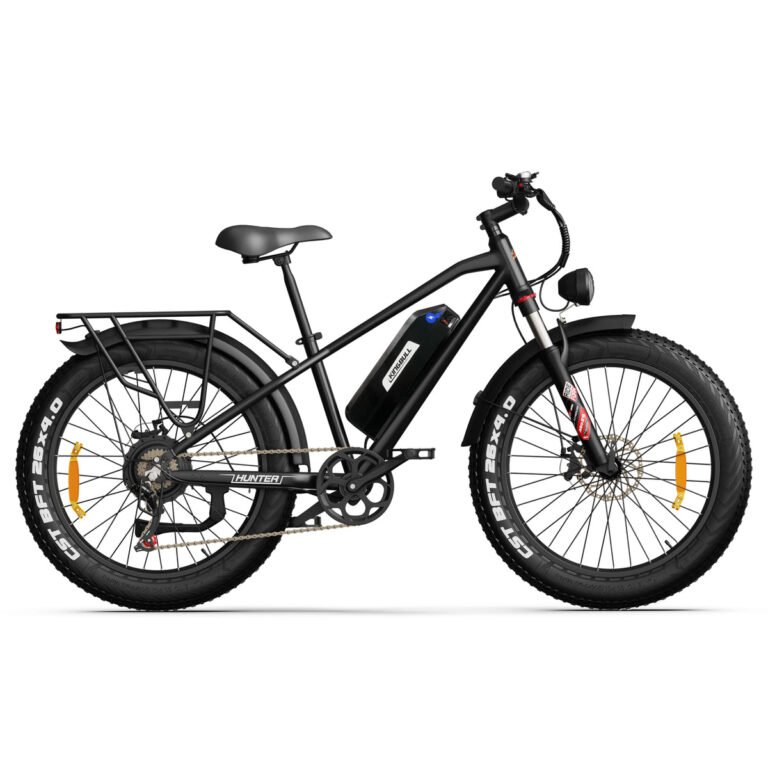 Kingbull Hunter 2.0
Best lightweight |
750W hub | 720Wh (48V 15Ah) | 55 miles | 26" x 4" | Shorter rides, easier lifting | $949 at Kingbull |
Amazon price as of Nov 12, 2026 12:27 pm GMT+0000. Prices and availability are accurate as of the date/time indicated and are subject to change.
We may earn a commission when you buy through links on this page, at no extra cost to you. As an Amazon Associate we earn from qualifying purchases.
Quick picks
- Best overall: Kingbull Hunter 2.0S: a hardtail e-MTB with a big 864Wh battery for under $1,000.
- Best full suspension: Kingbull EX-Titan: a ZOOM coil fork, adjustable air shock and 960Wh battery.
- Best value full suspension: Kingbull Rover 2.0: full suspension and 1300W peak power for $1,299.
- Best on Amazon: Jasion Thunder: a budget 26 x 4 fat tire e-MTB with a 400 lb payload.
- Best lightweight: Kingbull Hunter 2.0: the lightest Hunter at 70 lbs.
How I picked these
I compared each electric mountain bike on motor power, battery capacity, suspension design and quality, brakes, weight, payload, safety certification and price, using manufacturer specifications and owner feedback. Specs and range figures are manufacturer claims. Real-world range depends on rider weight, terrain, temperature, tire pressure and how much you use pedal assist versus the throttle, so expect less than the claimed number on hilly rides or with heavy loads.
Every bike here has 4-inch fat tires, hydraulic disc brakes or a strong brake upgrade path, and at least a front suspension fork. Kingbull is a millennialhobbies.com affiliate partner, and Kingbull links on this page earn a commission, as do Amazon links. Commissions never decide a ranking, and I include other brands wherever they’re the better choice.
1. Kingbull Hunter 2.0S: best overall
Kingbull Hunter 2.0S Fat Tire Electric Mountain Bike
The best value electric mountain bike: big battery, hydraulic fork and brakes, under $1,000.
- Motor 750W hub
- Battery 864Wh (48V 18Ah)
- Claimed range 80+ miles
- Tires 26" x 4"
- Suspension Front (hydraulic)
- Top speed 28 mph
- Weight 77 lbs
- Max payload 400 lbs
- Best for Trails, gravel, all-around
What we like
- Big 864Wh battery for the price
- Hydraulic suspension fork
- Hydraulic disc brakes
- Class 1-3 capable, up to 28 mph
What we don't
- 77 lbs is heavy to lift
- Front suspension only
Amazon price as of Nov 12, 2026 12:27 pm GMT+0000. Prices and availability are accurate as of the date/time indicated and are subject to change.
The Hunter 2.0S is the electric mountain bike most riders should start with. It pairs a 750W hub motor with an 864Wh battery, which is more capacity than many bikes that cost hundreds more, and Kingbull claims 80+ miles of range in pedal assist.
A hydraulic suspension fork and hydraulic disc brakes give it real trail manners on gravel, dirt roads and moderate singletrack where e-bikes are allowed. The 26 x 4-inch tires float over sand and loose rock, and it’s Class 1-3 capable up to 28 mph.
Where it falls short: it has no rear suspension, so rocky descents are rougher than on the Rover 2.0 or EX-Titan, and at 77 lbs it’s a workout to lift onto a rack.
2. Kingbull EX-Titan: best full suspension
Kingbull EX-Titan Full Suspension Electric Mountain Bike
A premium full-suspension electric mountain bike with real trail suspension and a 960Wh battery.
- Motor 750W Bafang hub
- Battery 960Wh (48V 20Ah)
- Claimed range 80 miles
- Tires 26" x 4"
- Suspension Full (coil fork, air shock)
- Top speed 28 mph
- Weight 84 lbs
- Max payload 450 lbs
- Best for Rough trails, heavy riders
What we like
- ZOOM 879DH coil fork and adjustable DNM air shock
- 960Wh battery
- 450 lb payload
- UL 2849 certified
What we don't
- Most expensive Kingbull
- 84 lbs
The EX-Titan is the most capable electric mountain bike here. It uses a ZOOM 879DH coil fork with 100mm of travel and a DNM air shock with rebound adjustment and lockout, which you can tune to your weight, unlike the simpler shocks on most budget e-MTBs.
It also gets a 960Wh battery, an 80-mile claimed range, a 450 lb payload rating and UL 2849 certification for the electrical system. If you ride rough terrain often or carry heavy gear, it’s worth the extra money.
Where it falls short: it costs about $750 more than the Hunter 2.0S, and at 84 lbs it’s one of the heavier bikes here.
3. Kingbull Rover 2.0: best value full suspension
Kingbull Rover 2.0 Full Suspension Electric Bike
Full suspension and strong climbing power at a mid-range price.
- Motor 750W hub (1300W peak)
- Battery 720Wh (48V 15Ah)
- Claimed range 60 miles
- Tires 26" x 4"
- Suspension Full
- Top speed 28 mph
- Weight 80 lbs
- Max payload 400 lbs
- Best for Comfort on rough roads
What we like
- Full suspension for rough trails
- 1300W peak power for climbs
- Removable integrated battery
- Up to 28 mph
What we don't
- 80 lbs
- Smaller battery than the 960Wh models
The Rover 2.0 is the cheapest way into a full-suspension electric mountain bike from Kingbull. A coil fork and rear shock take the sting out of washboard roads, roots and rocks, and the 1300W peak output helps on steep climbs.
The 720Wh battery is integrated and removable, and Kingbull claims up to 60 miles of range. It’s a good middle ground if the Hunter 2.0S feels too harsh but the EX-Titan is over budget.
Where it falls short: the 720Wh battery is smaller than the Hunter 2.0S’s, so you trade some range for comfort, and its oil-spring shock can’t be tuned to rider weight like an air shock.
4. Jasion Thunder: best on amazon
Jasion Thunder Fat Tire Electric Bike
An inexpensive 26 x 4 fat tire electric mountain bike sold on Amazon.
- Motor 1800W peak
- Battery removable
- Claimed range up to 80 miles
- Tires 26" x 4"
- Suspension Front
- Top speed 28 mph
- Max payload 400 lbs
- Best for Budget, Amazon buyers
What we like
- Low price for a 26 x 4 fat tire bike
- 400 lb payload
- Strong peak power
What we don't
- Less established brand
- Front suspension only
Amazon price as of Nov 12, 2026 12:27 pm GMT+0000. Prices and availability are accurate as of the date/time indicated and are subject to change.
If you’d rather buy on Amazon, the Jasion Thunder is a well-reviewed fat tire electric mountain bike at a low price. It has 26 x 4-inch tires, a front suspension fork, an 1800W peak motor and a 400 lb payload rating, with up to 80 miles of claimed range.
Amazon’s return process is simple, which takes some of the risk out of buying an e-bike online.
Where it falls short: Jasion is a newer brand with a smaller support network, and the components are a step below the Kingbull bikes.
5. Kingbull Hunter 2.0: best lightweight
Kingbull Hunter 2.0 Mountain Electric Bike
The lighter, simpler version of the Hunter with a smaller battery.
- Motor 750W hub
- Battery 720Wh (48V 15Ah)
- Claimed range 55 miles
- Tires 26" x 4"
- Suspension Front (hydraulic)
- Top speed 28 mph
- Weight 70 lbs
- Max payload 400 lbs
- Best for Shorter rides, easier lifting
What we like
- Lightest bike in the Hunter line
- Hydraulic fork and brakes
- Up to 28 mph
What we don't
- Smaller battery than the Hunter 2.0S
- Front suspension only
The Hunter 2.0 costs about the same as the Hunter 2.0S but saves 7 lbs by using a smaller 720Wh battery. If you mostly ride shorter loops, or you need to lift the bike onto a hitch rack, the lower weight is a fair trade.
You still get the hydraulic MOZO fork, 26 x 4 tires and 28 mph top speed.
Where it falls short: claimed range drops to 55 miles, so most riders are better off with the Hunter 2.0S at the same price.
Hardtail vs. full suspension: which do you need?
A hardtail electric mountain bike has front suspension only. It’s lighter, cheaper and has less to maintain, and it’s plenty for gravel roads, fire roads and smooth dirt trails. A full-suspension e-MTB adds a rear shock, which keeps the rear tire planted on rough ground and saves your back on long, bumpy rides.
If most of your miles are on gravel and dirt roads, a hardtail like the Hunter 2.0S is the better value. If you ride rocky, rooty trails, choose full suspension.
How to choose an electric mountain bike
- Motor: 750W is the common US limit for e-bikes and is enough for most climbs. Peak ratings above that help briefly on steep pitches.
- Battery: compare watt-hours (Wh). 720Wh is good; 860-960Wh is great for long rides.
- Suspension: look for a hydraulic or air fork on a hardtail, and an adjustable shock on full suspension.
- Brakes: hydraulic disc brakes are a must on a 70-85 lb bike.
- Fit: check the rider height range. Kingbull lists heights for each model.
- Trail access: many mountain bike trails only allow Class 1 e-bikes, or none at all.
E-bike classes and where you can ride
Most US states use three e-bike classes. Class 1 bikes are pedal assist only, up to 20 mph. Class 2 bikes add a throttle, also capped at 20 mph. Class 3 bikes are pedal assist up to 28 mph. Many bikes here can be set to different classes, and that matters because trail and bike-path access often depends on class. Some trails allow Class 1 only, and many singletrack trails don’t allow e-bikes at all. Check local rules and set your bike to match.
Hub motor vs. mid-drive
All of the bikes here use rear hub motors, which are simpler, cheaper and quieter than mid-drive motors. Mid-drive e-MTBs (common on $3,000+ bikes from Trek, Specialized and others) use the bike’s gears, so they climb more efficiently and feel more natural on technical trails. For gravel, fire roads and moderate trails, a hub-motor electric mountain bike is a great value.
Battery care and safety
- Use the included charger and charge on a hard surface away from anything flammable.
- Store it half charged in a cool, dry place if you won’t ride for a few weeks.
- Don’t charge a damaged battery. If it’s swollen, cracked or was in a hard crash, replace it.
- Look for UL 2849 or UL 2271 certification, which covers the e-bike electrical system or the battery.
Fat tire pressure: a quick guide
- Pavement: run near the top of the range printed on the tire (often 20-30 PSI) for less rolling resistance and more range.
- Gravel and dirt: drop a few PSI for more grip and comfort.
- Sand and snow: go lower still (often 5-10 PSI) so the tire floats instead of digging in.
- Check weekly: fat tires lose pressure slowly, and a few PSI changes how the bike rides.
Assembly, warranty and service
Direct-to-consumer e-bikes usually arrive about 85-90% assembled. You’ll typically attach the handlebar, front wheel, pedals and fenders, then check the brakes. If you’re not comfortable adjusting brakes, have a local bike shop do a safety check; many shops will, though some charge more for bikes they didn’t sell.
Before you buy, check the warranty length for the frame, motor and battery, and whether the brand sells replacement batteries, brake pads, tires and chargers. Bafang motors, used on Kingbull bikes, are common, which makes parts easier to find.
Electric mountain bike FAQ
Are electric mountain bikes allowed on trails?
It depends on the land manager. Many trails allow Class 1 e-bikes, some allow all classes, and many singletrack trails don’t allow e-bikes at all. Check the rules for each trail system before you ride.
How far can an electric mountain bike go on one charge?
Most e-MTBs here claim 55 to 80+ miles in low pedal assist. On hilly trails with higher assist, expect roughly half that.
Is a fat tire e-bike good for mountain biking?
Fat tires add traction and comfort on loose ground, sand and snow, which makes them great for gravel roads and moderate trails. On tight, technical singletrack, a lighter mid-drive e-MTB handles better.
How much should I spend on an electric mountain bike?
Good hub-motor e-MTBs from direct-to-consumer brands cost about $650 to $1,700. Mid-drive e-MTBs from bike-shop brands usually start around $3,000.
How heavy are electric mountain bikes?
Fat tire e-MTBs like these weigh about 70 to 85 lbs. Make sure your car rack is rated for an e-bike.
Do I need a special rack for an e-bike?
Yes, most roof racks and many hitch racks aren’t rated for 70+ lb e-bikes. Use a hitch rack rated for e-bikes, and remove the battery before loading to save weight.
Can I ride an electric mountain bike in the rain?
Yes. E-MTBs are built for wet, muddy trails. Avoid pressure-washing the motor and battery, and dry the bike after wet rides.
Which electric mountain bike should you buy?
For most riders, the Kingbull Hunter 2.0S is the best electric mountain bike for the money: a big battery, a hydraulic fork and brakes, and a price under $1,000. If you ride rough trails, step up to the full-suspension Rover 2.0 or, for the best suspension and battery, the EX-Titan.