
Car Camping Checklist: The Printable Packing List (Plus What Most People Forget)
 By Ian Freng
Updated November 18, 2026
When I car camp, I’ve found that the trips that go wrong almost never go wrong because of a missing big item. Nobody forgets the tent. It’s the lighter, the can opener, the tent stakes or the pillow, and suddenly dinner or sleep gets a lot harder. A written list fixes that, and it only takes one trip to pay for itself.
I’ve been car camping, hiking and backpacking for years, and this car camping checklist is the one I’d hand a friend: grouped by job so it’s fast to pack, with the reasoning behind the items that matter most. After the list you’ll find how to sleep well in your car, how to pack a cooler so the ice lasts, a simple arrival routine, and the items people forget most.
The short version
- Sleep is the priority. Pad or mattress, a sleeping bag rated about 10°F below the expected low, and a real pillow.
- Plan meals before you pack the kitchen, so you bring the right pots, utensils and fuel.
- Pre-chill the cooler and use block ice. Keep drinks in a second cooler if you can.
- If you sleep in the car, park level, crack the windows and never run the engine for heat while you sleep.
- Check fire rules and your reservation before you leave, and buy firewood near camp.
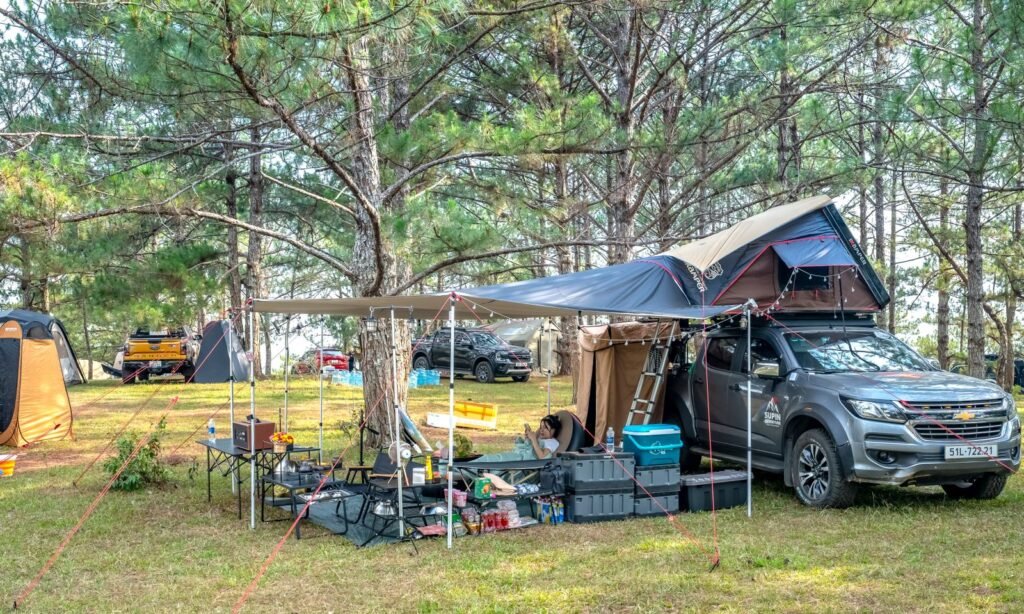
How to use this list
Print it, keep it with your gear, and check items off as they go into the car. Not everything applies to every trip: a two-night summer weekend at a developed campground needs less than a week on forest roads. Items marked optional are nice to have, not essential.
One tip that saves the most time: keep a packed camp kitchen bin and a packed “camp basics” bin between trips. Restock them when you get home, and packing for the next trip takes minutes.
The car camping checklist
Sleep
- ☐ Tent, poles, stakes and rainfly, or your car set up for sleeping (see our best car camping tents)
- ☐ Footprint or ground tarp
- ☐ Mallet or a rock-friendly way to drive stakes
- ☐ Sleeping pad, air mattress or self-inflating mattress (see our best car camping mattresses)
- ☐ Pump for the mattress, if it needs one
- ☐ Sleeping bag rated about 10°F below the expected low, or quilts and blankets
- ☐ Fitted sheet or sleeping bag liner (optional)
- ☐ Real pillow from home
- ☐ Window covers or reflective sunshades if sleeping in the car
- ☐ Bug netting for car windows (optional)
- ☐ Earplugs and an eye mask
Camp kitchen
- ☐ Stove (see our best camp stoves)
- ☐ Fuel, plus a spare canister
- ☐ Lighter and a backup (matches in a waterproof container)
- ☐ Cooler with ice (see our best camping coolers), or a 12V fridge
- ☐ Water: about a gallon per person per day for drinking and cooking, plus more for dishes, unless the campground has potable water
- ☐ Water jug or container
- ☐ Pot, pan and lids
- ☐ Spatula, tongs, serving spoon, sharp knife
- ☐ Cutting board
- ☐ Plates, bowls, mugs and utensils for everyone
- ☐ Can opener and bottle opener
- ☐ Coffee setup
- ☐ Food, planned by meal, plus snacks
- ☐ Salt, pepper, oil and favorite seasonings
- ☐ Dish kit: two collapsible tubs, biodegradable soap, sponge, dish towel
- ☐ Trash bags and zip-top bags
- ☐ Paper towels
Camp and comfort
- ☐ Camp chairs (see our best camping chairs)
- ☐ Folding table, if the site has no picnic table
- ☐ Lantern (see our best camping lanterns)
- ☐ Headlamp for each person, plus spare batteries
- ☐ Shade: canopy, tarp or car awning, with cord and stakes
- ☐ Doormat or small rug for the tent entrance
- ☐ Small broom or brush
- ☐ Clothesline and clips
- ☐ Games, books, cards
Power and vehicle
- ☐ Portable jump starter (lights and phone chargers drain batteries)
- ☐ 12V air compressor or tire inflator, and a tire pressure gauge
- ☐ Spare tire, jack and lug wrench, checked before you go
- ☐ Recovery boards and a shovel if you’re going off pavement
- ☐ Car phone charger and a charged power bank
- ☐ Portable power station and a 12V fridge (optional, great for longer trips)
- ☐ Paper map or downloaded offline maps
Clothing
- ☐ Layers: base layer, fleece or puffy, rain jacket
- ☐ Warm hat and gloves, even in summer (desert and mountain nights get cold)
- ☐ Camp shoes or sandals, plus hiking shoes
- ☐ Extra socks
- ☐ Sleep clothes that stay dry and are only for sleeping
- ☐ Sun hat and sunglasses
- ☐ Swimsuit, if there’s water nearby
Safety
- ☐ First aid kit, plus any personal medications
- ☐ Sunscreen and bug repellent
- ☐ Fire extinguisher or a bucket for water, and a small shovel
- ☐ Firewood bought near camp (if fires are allowed)
- ☐ Knife or multi-tool
- ☐ Whistle
- ☐ Battery or carbon monoxide alarm if you’ll sleep in a vehicle or use a heater
Hygiene and Leave No Trace
- ☐ Toilet paper and hand sanitizer
- ☐ Toothbrush, toothpaste and toiletries
- ☐ Quick-dry towel
- ☐ Biodegradable soap
- ☐ Trowel for catholes, if there are no toilets
- ☐ Trash and recycling bags (pack it in, pack it out)
- ☐ Bear canister or a plan to store food in the car or a locker where required
Documents and reservations
- ☐ Campsite reservation confirmation (screenshot or printout, since service may be gone)
- ☐ Park pass or entry fee
- ☐ Fire permit, if your area requires one
- ☐ Driver’s license, registration and insurance card
- ☐ Directions to the site and to the nearest town
- ☐ Cash for firewood or fees
How to sleep comfortably in your car
Sleeping in the car is one of the best parts of car camping: no tent to pitch, quick to pack up, and warmer and quieter in wind and rain. A few things make the difference between a good night and a stiff, damp one.
- Park level. Even a slight slope is surprisingly uncomfortable over eight hours. Use a level app, or park so your head is slightly uphill. Leveling blocks help on uneven sites.
- Build a flat bed. Fold the seats down and fill any gaps with bags or a storage bin, then lay down a pad or car mattress. Bare seats and cargo floors are lumpy and cold.
- Crack the windows. Breathing all night puts a lot of moisture into a sealed car, and by morning the windows and your bedding are wet. Cracking two windows on opposite sides lets air flow. Bug netting or window socks let you do it without mosquitoes.
- Never run the engine for heat while you sleep. Exhaust can leak into the cabin, and the CDC warns that people who are sleeping can die from carbon monoxide poisoning before they have symptoms. Dress for the cold and use a warmer sleeping bag instead. A battery-powered CO alarm is cheap insurance if you sleep in a vehicle.
- Cover the windows. Reflective sunshades or cut-to-fit covers give you privacy, block early sunrise and campground lights, and add a bit of insulation.
- Bring your real bedding. A full-size pillow and a sheet make a huge difference. I use a Therm-a-Rest Synergy Luxe sheet over my pad, and it turns a sleeping pad into something that feels like an actual bed.
- Keep the keys in one spot, and know which button unlocks the doors in the dark without setting off the alarm.
Before you plan on car sleeping, check the rules. Most campgrounds allow sleeping in your vehicle on your own site, but some areas, rest stops and trailheads don’t.
Cooler packing tips that make ice last
A cooler is the most important part of a car camping kitchen and the one people pack worst. These steps make the biggest difference:
- Pre-chill the cooler. Bring it inside the night before and fill it with a sacrificial bag of ice, or freeze some water jugs in it. A warm cooler melts your first load of ice just cooling itself down.
- Use block ice. Blocks melt much more slowly than cubes. Frozen water jugs work too and give you cold drinking water as they thaw.
- Start cold, and freeze what you can. Chill everything before it goes in. The FDA notes that meat, poultry and seafood can be packed frozen so they stay colder longer, and they double as ice.
- Use two coolers if you can. The FDA suggests packing drinks in one cooler and perishable food in another, so the food cooler isn’t opened every time someone wants a soda.
- Pack in layers. Ice on the bottom, then raw meat (sealed and wrapped so juices can’t drip, per the FDA), then other food, with what you’ll eat first on top.
- Keep it at 40°F or below. That’s the FDA’s line for cold food. A cheap fridge thermometer inside the cooler takes the guessing out of it.
- Keep it shaded and closed, and fill empty space with more ice or a towel. Don’t drain meltwater right away on a short trip; ice water keeps things cold. Do drain it before it reaches food packaging.
On longer trips, or anywhere ice is hard to find, a 12V fridge paired with a power station ends the ice run entirely.
Your campsite arrival routine
Arriving tired, at dusk, with a car full of gear is how stakes get lost and tents go up on a slope. A simple order of operations helps:
- Arrive with daylight to spare. Aim for at least an hour before sunset.
- Walk the site first. Look for the flattest spot for the tent or car, check overhead for dead branches, and note where water would run if it rains.
- Set up your shelter and bed first. Tent up, mattress inflated, sleeping bag out to loft. If it rains or gets dark, the most important job is done.
- Set up the kitchen next, with the stove on a stable surface away from the tent.
- Get lights ready before you need them: a lantern on the table and a headlamp in every pocket.
- Check fire rules on the board or with the host, and find the water, toilets and trash.
- Put food away in the car, a locker or a bear box before you relax, and every time you leave the site or go to bed.
Campfire rules and Leave No Trace
Fire restrictions change quickly in dry seasons, so check the current rules for your campground or forest before you go, and again when you arrive. Where fires are allowed, the National Park Service’s Leave No Trace guidance is to use established fire rings, keep fires small, burn wood down to ash, and put the fire out completely.
Buy firewood near where you’ll burn it. Firewood can carry tree-killing insects and diseases, and the NPS suggests buying it within about 10 miles of your campsite. Don’t take leftover wood home; leave it for the next campers or the camp host.
The rest of Leave No Trace at a car campground is mostly common sense: store food and trash securely, never feed wildlife, keep noise down during quiet hours, and wash dishes and dump strained dishwater at least 200 feet from lakes and streams if there’s no designated spot.
The most-forgotten items
If you only double-check a few things on this car camping checklist, make it these. They’re the ones I’ve seen forgotten most often:
- Lighter or matches (and a backup)
- Tent stakes and poles (they live in separate bags and get separated)
- Pillow
- Can opener, bottle opener and a sharp knife
- Mattress pump
- Headlamp batteries
- Dish soap and a sponge
- Trash bags
- Toilet paper
- Warm layers for the night, even in summer
- Coffee filters or whatever your coffee setup needs
- The reservation confirmation, saved offline
For gear picks across every category, see our car camping gear reviews.
Car camping checklist FAQ
What should be on a car camping checklist?
Group it by job: sleep (tent or car setup, mattress, sleeping bag, pillow), kitchen (stove, fuel, cooler, water, cookware, dish kit), camp comfort (chairs, table, lantern, headlamps, shade), power and vehicle (jump starter, tire inflator), clothing layers, safety (first aid, fire extinguisher), hygiene and documents.
What is the difference between car camping and tent camping?
Car camping means you drive right up to your campsite, so weight doesn’t matter much and you can bring a big tent, a thick mattress and a full kitchen. You might sleep in a tent next to the car or inside the car itself. Tent camping is a broader term that also includes backpacking and walk-in sites, where you carry everything.
Is it safe to sleep in your car while camping?
Yes, with the engine off. Park level in a place where it’s allowed, crack two windows for ventilation and to reduce condensation, and use a warm enough sleeping bag. Never run the engine for heat while you sleep, because exhaust can leak into the cabin and carbon monoxide can kill sleeping people before they notice symptoms.
How do you keep a cooler cold for a whole weekend?
Pre-chill the cooler, use block ice or frozen water jugs instead of cubes, freeze meat ahead of time, and keep drinks in a separate cooler so the food cooler stays closed. Keep it in the shade and fill empty space with ice.
What temperature sleeping bag do I need for car camping?
A common rule of thumb is a bag rated about 10°F below the lowest temperature you expect. Ratings assume you’re on an insulated pad and wearing base layers, and many people sleep colder than the rating suggests. Car camping makes it easy to bring an extra blanket as backup.
What do people forget most when car camping?
Lighters, tent stakes, pillows, can openers, mattress pumps, headlamp batteries, dish soap, trash bags and warm layers for the night. Keeping a pre-packed kitchen bin between trips solves most of it.