
The Best Backpacking Tents of 2026
 By Ian Freng
Updated November 12, 2026
A good backpacking tent keeps you dry in a storm, stands up to wind, sets up fast at the end of a long day and doesn’t weigh you down for the miles in between. The best backpacking tents balance weight, livability and durability. These five 2-person tents range from proven lightweight favorites to budget tents that are great for your first trips.
Best backpacking tents compared
| Product | Type | Doors | Best for | Buy |
|---|---|---|---|---|
 Big Agnes Copper Spur HV UL2
Best overall |
Freestanding | 2 | Most backpackers | $599.95 at Amazon |
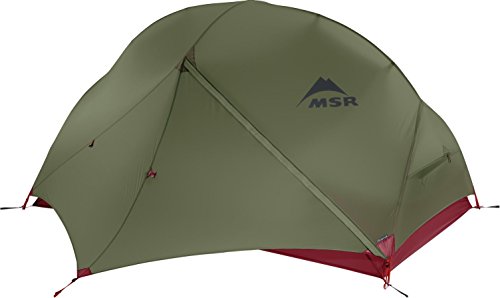 MSR Hubba Hubba NX 2
Most durable |
Freestanding | 2 | Bad weather, durability | $936.91 at Amazon |
 NEMO Dragonfly OSMO 2P
Best livability |
Semi-freestanding | 2 | Couples, comfort | $549.95 at Amazon |
 Kelty Late Start 2
Best value |
Freestanding | 1 | Beginners, budget | $159.95 at Amazon |
 Naturehike Cloud Up 2
Best budget lightweight |
Freestanding | 1 | Budget ultralight, solo | $139.99 at Amazon |
Amazon price as of Nov 12, 2026 1:56 pm GMT+0000. Prices and availability are accurate as of the date/time indicated and are subject to change.
We may earn a commission when you buy through links on this page, at no extra cost to you. As an Amazon Associate we earn from qualifying purchases.
Quick picks
- Best overall: Big Agnes Copper Spur HV UL2: a light, roomy, freestanding tent.
- Most durable: MSR Hubba Hubba NX 2: a proven, weatherproof freestanding tent.
- Best livability: NEMO Dragonfly OSMO 2P: a light tent with smart storage features.
- Best value: Kelty Late Start 2: an affordable, reliable tent for beginners.
- Best budget lightweight: Naturehike Cloud Up 2: a light tent at a very low price.
How I picked these
I’ve been backpacking for 16 years and hiking for 20, and I’ve owned and used a lot of gear in that time. I know what works on overnight trips and what doesn’t: gear that holds up, packs down, and earns its place on your back.
I compared these backpacking tents on weight, interior space, ease of setup, weather resistance, ventilation and durability. Picks are based on that experience, manufacturer specifications and long-term owner feedback.
1. Big Agnes Copper Spur HV UL2: best overall
Big Agnes Copper Spur HV UL2 Backpacking Tent
The best all-around backpacking tent: light, roomy and easy to pitch.
- Type Freestanding
- Doors 2
- Best for Most backpackers
What we like
- Light for a freestanding tent
- Two doors and vestibules
- Steep walls for lots of headroom
- Awning-style vestibules
What we don't
- Expensive
- Thin floor needs care
Amazon price as of Nov 12, 2026 1:56 pm GMT+0000. Prices and availability are accurate as of the date/time indicated and are subject to change.
The Copper Spur HV UL2 is one of the most popular backpacking tents for good reason. It’s light, sets up in minutes, and its steep walls give you more headroom than most tents this weight. Two doors and two vestibules mean you don’t climb over your partner at night.
The vestibules can be propped up as awnings with trekking poles for shade or rain cover.
Where it falls short: it’s expensive, and the lightweight floor benefits from a footprint on rough ground.
2. MSR Hubba Hubba NX 2: most durable
MSR Hubba Hubba NX 2-Person Tent
A proven, durable backpacking tent that handles bad weather well.
- Type Freestanding
- Doors 2
- Best for Bad weather, durability
What we like
- Very durable
- Excellent in wind and rain
- Easy setup
- Two doors
What we don't
- Heavier than ultralight options
- Pricey
Amazon price as of Nov 12, 2026 1:56 pm GMT+0000. Prices and availability are accurate as of the date/time indicated and are subject to change.
MSR’s Hubba Hubba has been a backpacker favorite for years. It’s tougher than many lighter tents, sheds wind and rain well and sets up quickly with a single hubbed pole.
Where it falls short: it’s heavier than the Copper Spur and ultralight tents.
3. NEMO Dragonfly OSMO 2P: best livability
NEMO Dragonfly OSMO 2P Backpacking Tent
A light, livable tent with clever storage and ventilation.
- Type Semi-freestanding
- Doors 2
- Best for Couples, comfort
What we like
- Light
- OSMO fabric resists stretching when wet
- Great storage pockets
- Good ventilation
What we don't
- Semi-freestanding
- Narrower foot end
Amazon price as of Nov 12, 2026 1:56 pm GMT+0000. Prices and availability are accurate as of the date/time indicated and are subject to change.
NEMO’s Dragonfly OSMO is packed with thoughtful details, like overhead light pockets and vestibule storage. The OSMO fabric holds its pitch better when wet than standard nylon.
Where it falls short: it’s semi-freestanding, and the foot end is narrower than the Copper Spur.
4. Kelty Late Start 2: best value
Kelty Late Start 2P Backpacking Tent
An affordable backpacking tent for beginners and occasional trips.
- Type Freestanding
- Doors 1
- Best for Beginners, budget
What we like
- Affordable
- Simple setup
- Durable enough for regular use
What we don't
- Heavier
- One door
Amazon price as of Nov 12, 2026 1:56 pm GMT+0000. Prices and availability are accurate as of the date/time indicated and are subject to change.
The Late Start is a great first backpacking tent: affordable, simple to set up and reliable. It’s heavier than premium tents, but it costs a fraction as much.
Where it falls short: it’s heavier and has only one door.
5. Naturehike Cloud Up 2: best budget lightweight
Naturehike Cloud Up Pro 2-Person Tent
A surprisingly light tent at a very low price.
- Type Freestanding
- Doors 1
- Best for Budget ultralight, solo
What we like
- Very light for the price
- Freestanding
- Packs small
What we don't
- Cramped for two
- Less durable
Amazon price as of Nov 12, 2026 1:56 pm GMT+0000. Prices and availability are accurate as of the date/time indicated and are subject to change.
Naturehike’s Cloud Up is a popular budget ultralight tent. It’s surprisingly light and packs small for the price, which makes it great for solo trips.
Where it falls short: it’s cramped for two adults, and the materials are less durable than premium tents.
Freestanding vs. trekking pole tents
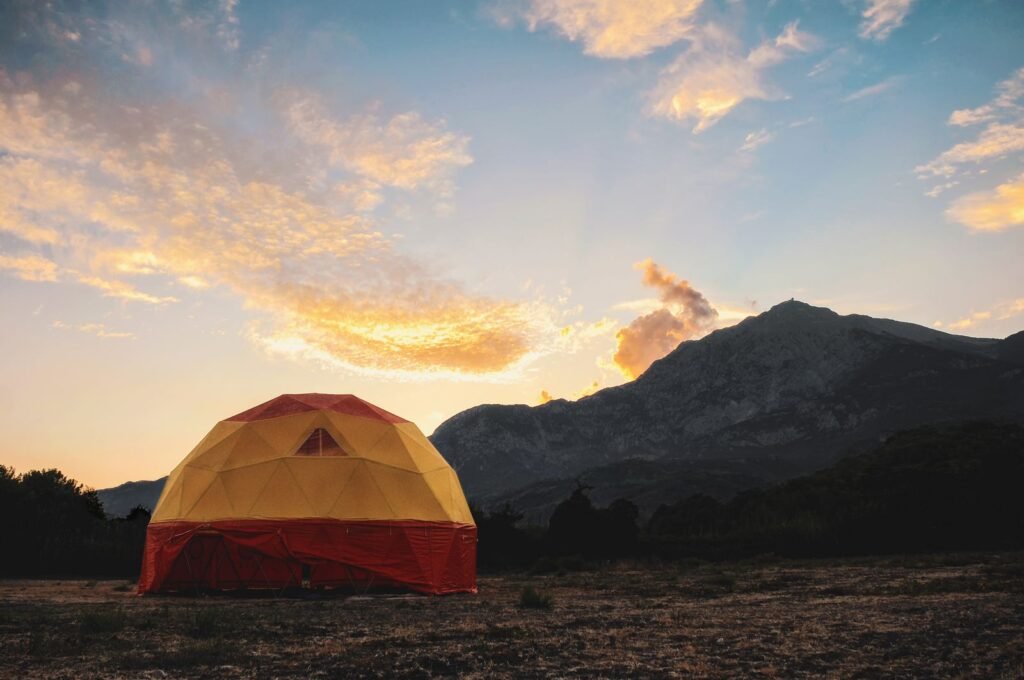
Freestanding tents stand up on their own poles, so you can pitch them on rock, platforms and sand and move them easily. Trekking pole tents use your hiking poles instead of tent poles, which saves weight but needs good stakes and a little practice. For most backpackers, a freestanding tent is easier. Want to save more weight? See our guide to the best ultralight tents.
How to choose a tent for backpacking
- Weight: under 4 lbs for a 2-person tent is a good target.
- Space: two doors and two vestibules make life with a partner easier.
- Weather: a full-coverage rain fly and good guy-out points matter in storms.
- Ventilation: vents and mesh reduce condensation.
- Setup: practice at home before your first trip.
The big three: shelter, pack and sleep system
Your tent, backpack and sleeping bag and pad are usually the heaviest items you carry, so they’re the best place to save weight. Cutting a few pounds across the big three makes more difference than shaving ounces anywhere else. Start with a shelter and sleep system that match your climate, then choose a pack sized for the gear you actually carry.
Pitching your tent in bad weather
- Pitch with the narrow end or door facing away from the wind.
- Stake out every guy line in wind, and use rocks on stakes in loose soil.
- Avoid low spots where cold air and water collect.
- Keep the rain fly taut, and re-tension it after dark when nylon stretches.
- Never pitch under dead branches.
Leave No Trace at camp
- Camp on durable surfaces like established sites, rock or gravel, at least 200 feet from lakes and streams.
- Pack out all trash, including food scraps.
- Use established fire rings, or skip the fire and use a stove.
- Store food properly to protect wildlife.
- Leave what you find, and respect other visitors.
Gear shakedown before your trip
- Set up your tent, inflate your pad and test your stove at home.
- Weigh your loaded pack and cut anything you didn’t use on your last trip.
- Check the forecast and pack layers for the coldest likely night.
- Pack the ten essentials: navigation, light, sun protection, first aid, knife, fire, shelter, extra food, extra water and extra clothes.
- Tell someone your route and expected return time.
Backpacking tent FAQ
What’s the best backpacking tent for two people?
The Big Agnes Copper Spur HV UL2 is the best for most pairs. The MSR Hubba Hubba NX 2 is the most durable.
Should I buy a 2-person or 3-person tent?
Two hikers fit in a 2-person tent, but it’s snug. Many couples prefer a 3-person tent for space, at the cost of weight.
Do I need a footprint?
A footprint protects the tent floor from abrasion and extends its life, especially on rocky ground. You can use a cheap sheet of polycryo instead.
How do I reduce condensation in my tent?
Open vents, pitch away from water and low spots, and keep the fly taut.
How heavy should a backpacking tent be?
A good 2-person backpacking tent weighs about 2.5 to 4.5 lbs.
How long does a backpacking tent last?
With care, many backpacking tents last 5-10 years or several thousand trail nights.
Which backpacking tent should you buy?
The Big Agnes Copper Spur HV UL2 is the best backpacking tent for most people. Choose the MSR Hubba Hubba NX 2 for durability, the NEMO Dragonfly OSMO for livability, and the Kelty Late Start on a budget.