The Best Balaclava for Hiking, Skiing and Cold Wind (2026)
 By Ian Freng
Updated November 23, 2026
When I hike in winter wind, I’ve found that my face, ears and neck get cold long before my core does, because they’re the parts most people leave uncovered. The best balaclava fixes that with one piece that covers your head, ears, face and neck, and you can pull it down when you warm up. This guide covers five picks, from thin merino to windproof fleece, and how to choose one that breathes, works with glasses or goggles and fits under a helmet. It also covers frostbite, which most often starts on the nose, ears, cheeks and chin.
Quick answer: Our top pick is the Smartwool Active Fleece Hinged Balaclava (best overall). A merino and recycled polyester fleece balaclava with a hinged top for venting and a lighter panel over the nose and mouth. Best for: winter hiking, all-around.
- Best merino: Smartwool Thermal Merino Balaclava
- Best for skiing and helmets: BLACKSTRAP Expedition Hood
- Best for extreme cold and wind: Seirus Combo Clava
- Best budget: Tough Headwear Fleece Balaclava
Balaclavas compared
| Product | Fabric | Style | Helmet fit | Best for | Buy |
|---|---|---|---|---|---|
 Smartwool Active Fleece Hinged Balaclava
Best overall |
Merino / recycled polyester / spandex fleece | Hinged | Low profile | Winter hiking, all-around | $35.96 at Amazon |
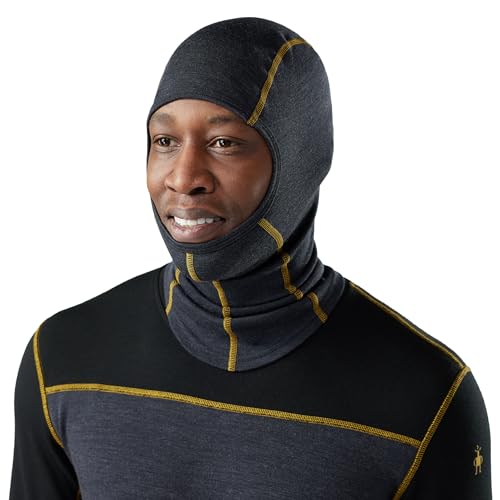 Smartwool Thermal Merino Balaclava
Best merino |
100% merino wool | Full (pull-on) | Yes, thin | Layering, skiing, active use | $33.71 at Amazon |
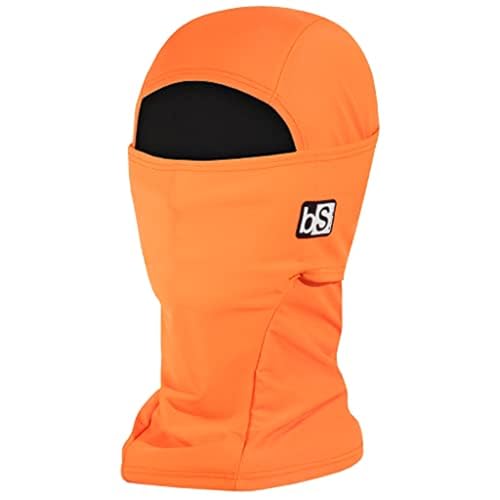 BLACKSTRAP Expedition Hood
Best for skiing and helmets |
Tri-blend synthetic (dual layer) | Hinged hood | Yes | Skiing, snowboarding | $44.99 at Amazon |
 Seirus Combo Clava
Best for extreme cold and wind |
Polartec fleece + Neofleece mask | Full with mask | Yes | Extreme cold, high wind | $39.93 at Amazon |
 Tough Headwear Fleece Balaclava
Best budget |
Polyester fleece + spandex | Full (pull-on) | Yes | Budget, spares, work | $9.49 at Amazon |
Amazon price as of Nov 23, 2026 5:15 pm GMT+0000. Prices and availability are accurate as of the date/time indicated and are subject to change.
We may earn a commission when you buy through links on this page, at no extra cost to you. As an Amazon Associate we earn from qualifying purchases.
Quick picks
- Best overall: Smartwool Active Fleece Hinged Balaclava: a merino-blend fleece balaclava with a hinged top and a breathable mouth panel.
- Best merino: Smartwool Thermal Merino Balaclava: a thin, double-layered 100% merino balaclava that layers under anything.
- Best for skiing and helmets: BLACKSTRAP Expedition Hood: a dual-layer, hinged hood built to fit under a ski helmet.
- Best for extreme cold and wind: Seirus Combo Clava: a fleece hood with a windproof Neofleece face mask for brutal wind.
- Best budget: Tough Headwear Fleece Balaclava: a low-cost stretch fleece balaclava that works alone or under a helmet.
How I picked these
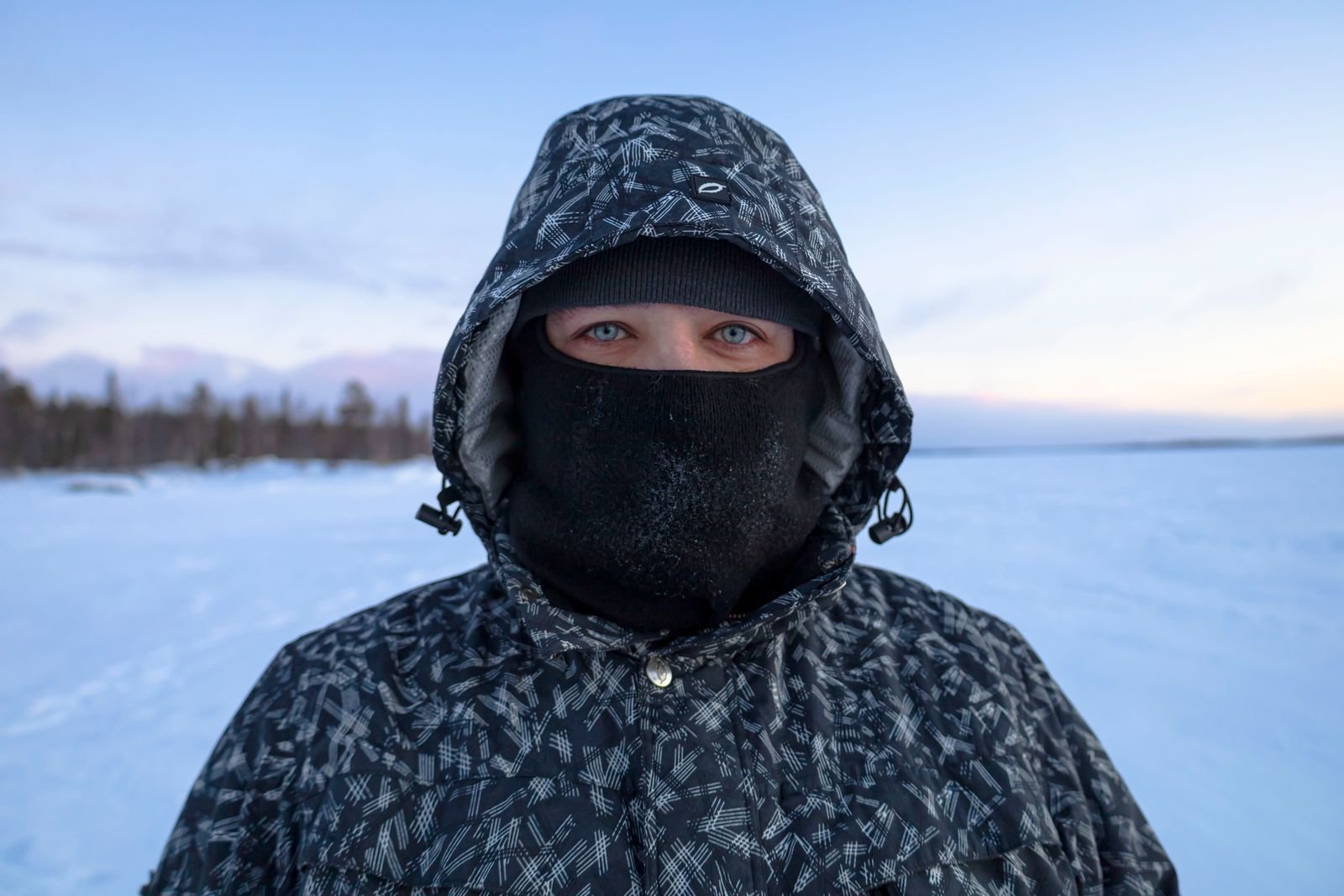
I’ve been hiking for 20 years and backpacking for 16, and cold wind on my face is one of the fastest ways a good winter day goes bad. I compared these balaclavas on fabric, warmth, wind protection, how well they breathe, how they work with glasses and goggles, and whether they fit under a ski or climbing helmet. Fabric content and features come from each maker’s own product pages or the Amazon listing, and we note where listings disagree.
We chose a mix of styles on purpose: a hinged balaclava you can open up, a thin merino one that layers under anything, a helmet liner for skiing, a windproof mask for extreme cold and a budget fleece pick. We kept to no more than two from one brand, and every pick is a full balaclava, not just a neck gaiter.
1. Smartwool Active Fleece Hinged Balaclava: best overall
Smartwool Active Fleece Hinged Balaclava (Black)
A merino and recycled polyester fleece balaclava with a hinged top for venting and a lighter panel over the nose and mouth.
- Fabric Merino / recycled polyester / spandex fleece
- Style Hinged
- Helmet fit Low profile
- Best for Winter hiking, all-around
What we like
- Hinged top pulls back so it works as a neck gaiter
- Lighter merino-blend panel over the nose and mouth for breathing
- Soft-brushed merino inside, recycled polyester outside
- Four-way stretch
- Reflective details
What we don't
- Not fully windproof in hard wind
- Fabric blend percentages vary between listings
Amazon price as of Nov 23, 2026 5:15 pm GMT+0000. Prices and availability are accurate as of the date/time indicated and are subject to change.
The Smartwool Active Fleece Hinged Balaclava is our top pick for most winter hikers because it adapts as you warm up and cool down. The top is hinged, so you can pull the hood back and wear it as a neck gaiter on the climb, then pull it over your head at a windy summit. Smartwool lists the main body as a blend of recycled polyester, merino wool and recycled spandex, with soft-brushed merino against your skin and polyester on the outside for wind protection.
The detail that matters most is the lighter merino-blend panel over your nose and mouth. Breathing through thick fleece makes it damp fast, and damp fabric over your face is cold and fogs glasses. A thinner panel there lets your breath escape. The fabric has four-way stretch for a close fit, and reflective details help on dark winter afternoons. Smartwool’s care instructions for the earlier Sport Fleece version say to machine wash it cold on a gentle cycle.
Where it falls short: it’s a fleece, not a windproof shell, so in hard wind on an exposed ridge you’ll still feel some cold coming through. Smartwool’s own listings show slightly different fiber percentages by region.
2. Smartwool Thermal Merino Balaclava: best merino
Smartwool Thermal Merino Balaclava (Black)
A 100% merino, double-layered balaclava that works as a hat and neck gaiter in one without blocking your side vision.
- Fabric 100% merino wool
- Style Full (pull-on)
- Helmet fit Yes, thin
- Best for Layering, skiing, active use
What we like
- 100% merino wool
- Double-layered for warmth
- Thin enough to fit under a hat, hood or helmet
- Smartwool says it doesn't block peripheral vision
- Odor-resistant merino
- Tumble dry low, per Smartwool
What we don't
- Not windproof
- Less warm than fleece on its own
Amazon price as of Nov 23, 2026 5:15 pm GMT+0000. Prices and availability are accurate as of the date/time indicated and are subject to change.
If you want a balaclava that disappears under everything else, the Smartwool Thermal Merino Balaclava is the one. It’s 100% merino wool, double-layered for warmth, and thin enough to wear under a beanie, a jacket hood or a ski helmet. Smartwool says it works as a hat and neck gaiter in one and protects your face without cutting into your peripheral vision, which matters on icy trails where you need to see your footing.
Merino is a good choice next to your face. It breathes, it feels soft, and it resists odor, which matters for something you’re breathing into all day. It also keeps some warmth when it gets damp from your breath. On a very cold or windy day, pair it with a jacket hood or a windproof shell collar on top. Smartwool’s care instructions say to tumble dry it low and skip the bleach.
Where it falls short: thin merino isn’t windproof, so in strong wind it works best under a hood or helmet rather than on its own, and it’s less warm than a fleece balaclava by itself.
3. BLACKSTRAP Expedition Hood: best for skiing and helmets
BLACKSTRAP Expedition Hood Balaclava Face Mask, Dual Layer, Helmet Compatible
A made-in-USA, dual-layer balaclava with a hinged design that pulls on easily under or over a helmet.
- Fabric Tri-blend synthetic (dual layer)
- Style Hinged hood
- Helmet fit Yes
- Best for Skiing, snowboarding
What we like
- Dual-layer head and neck for warmth
- Hinged design works under a helmet
- Lens-safe fabric for wiping goggles
- UPF 50+ sun protection
- Made in the USA from a tri-blend fabric
- Machine washable
What we don't
- One size: may be loose on small heads
- Synthetic fabric holds more odor than merino
Amazon price as of Nov 23, 2026 5:15 pm GMT+0000. Prices and availability are accurate as of the date/time indicated and are subject to change.
The BLACKSTRAP Expedition Hood is made for people who wear a helmet, whether that’s skiing, snowboarding, ice climbing or winter biking. It’s a dual-layer hood that covers your head and neck, with a hinged, ergonomic shape that pulls on easily under or over a helmet without bunching. BlackStrap makes it in the USA from its patented tri-blend fabric.
A few small details make it helmet-friendly. The fabric is lens-safe, so you can wipe your goggles with it in a pinch, and it’s rated UPF 50+, which matters on bright snow at altitude. Retailers list it as moisture-wicking and machine washable. It’s one size, so it relies on stretch for fit.
Where it falls short: it’s one size, so small heads may find it loose around the face, and the synthetic fabric holds odor more than merino. It’s not a wind-blocking mask for extreme cold.
4. Seirus Combo Clava: best for extreme cold and wind
Seirus Innovation Combo Clava (Black, S/M)
A hood, face mask and neck warmer in one, with 200 wt Polartec fleece and a windproof Neofleece face mask.
- Fabric Polartec fleece + Neofleece mask
- Style Full with mask
- Helmet fit Yes
- Best for Extreme cold, high wind
What we like
- Windproof Neofleece face mask (closed-cell neoprene)
- 200 wt Polartec fleece hood
- Breath holes direct air downward to cut fogging
- Fits with goggles, per Seirus
- Flat seams for comfort under helmets and hats
- Sized, not one-size
What we don't
- Neoprene mask can feel clammy on hard climbs
- Bulkier than merino or a thin liner
Amazon price as of Nov 23, 2026 5:15 pm GMT+0000. Prices and availability are accurate as of the date/time indicated and are subject to change.
When the wind chill drops well below zero, fleece alone lets too much cold through. The Seirus Combo Clava adds a contoured face mask made of Neofleece, Seirus’s closed-cell neoprene fabric, which blocks wind across your nose, cheeks and mouth, the exact spots the CDC says frostbite most often hits. The rest is a warm 200 weight Polartec fleece hood and neck with four-way stretch.
Seirus says the mask is shaped to work with goggles, and its Combo Clava line uses breath holes that send your breath down and away from your lenses to cut fogging. Flat seams keep it comfortable under a helmet or hat. Unlike most balaclavas, it comes in sizes, so check the size chart on the listing. This is the one for ridge walks in strong wind, winter summits, snowmobiling and very cold days on the lift.
Where it falls short: the neoprene mask that blocks wind also traps moisture, so it can feel clammy if you’re climbing hard, and it’s bulkier than merino or a thin liner.
5. Tough Headwear Fleece Balaclava: best budget
Tough Headwear Balaclava Ski Mask, Fleece, Helmet-Fit (Black)
A stretchy polyester fleece balaclava with a helmet-fit design, sold as a breathable, no-fog ski mask.
- Fabric Polyester fleece + spandex
- Style Full (pull-on)
- Helmet fit Yes
- Best for Budget, spares, work
What we like
- Low cost: easy to buy spares for the car and kids
- Stretch fleece fits most heads
- Works alone or as a helmet liner
- Breathable fabric over the mouth
- Light and packs small
What we don't
- Not windproof
- Fabric blend differs between listings
- Fleece holds odor; wash it often
Amazon price as of Nov 23, 2026 5:15 pm GMT+0000. Prices and availability are accurate as of the date/time indicated and are subject to change.
You don’t need to spend much to cover your face. The Tough Headwear Balaclava is a stretchy polyester-and-spandex fleece balaclava that covers your head, face and neck, and the listing says it can be worn on its own or under a ski, bike or work helmet as a low-profile liner. It’s sold as breathable and no-fog for use with goggles.
It’s a smart pick for spares: one in the car’s winter kit, one for each kid, one in the bottom of your daypack. It also works for winter chores like shoveling and clearing ice. The fabric percentages differ between Amazon listings, so treat it as a basic fleece balaclava and check the label when it arrives.
Where it falls short: basic fleece isn’t windproof, so it’s less warm than the Seirus in strong wind, and the listings don’t agree on the exact fabric blend. Wash it often, since fleece holds odor.
How to choose the best balaclava
- Fabric: merino breathes and resists odor, fleece is warmer, and windproof panels or neoprene masks block wind best. Avoid cotton, which gets wet from your breath and stays cold.
- Style: a full balaclava is one pull-on piece. A hinged or convertible balaclava opens at the top or face so it works as a neck gaiter when you warm up. A balaclava with a mask adds a separate wind-blocking face panel.
- Breathing panel: look for a thinner panel, mesh or breath holes over the mouth. Breathing through thick fabric makes it damp and fogs glasses.
- Eye opening: it should leave your eyes clear and seal against your goggles without a gap of bare skin across your forehead.
- Helmet fit: thin, flat-seamed balaclavas fit under ski and climbing helmets. Thick fleece can push a helmet out of position.
- Fit: snug, but not so tight it presses on your nose or ears. Most are one size and rely on stretch; some, like the Seirus, come in sizes.
Frostbite on your face and ears: why a balaclava matters
According to the CDC, frostbite most often affects the nose, ears, cheeks, chin, fingers and toes. Four of those six are on your head, and they’re exactly what a balaclava covers. The CDC says redness or pain can be the first sign. Later the skin turns white or grayish-yellow, feels unusually firm or waxy, or goes numb. Because the area is numb, people often don’t notice until someone else points it out.
Wind is what makes facial frostbite happen so fast. The National Weather Service wind chill chart shows that at 0°F with a 15 mph wind, the wind chill is -19°F, and exposed skin can get frostbite in about 30 minutes. On a ridge or summit the wind is often stronger than that. Cover your face before it starts to sting, check your partners’ faces at every break, and if you see pale or waxy patches, get out of the wind and rewarm the area with body heat or warm (not hot) water. Don’t rub it.
How to stop your glasses and goggles from fogging
- Send your breath down, not up. Your breath rises out of the top of the balaclava and condenses on cold lenses. Masks with breath holes that point downward, like the Seirus, help a lot.
- Keep the nose area snug. A balaclava that sits loose over your nose lets warm air leak up behind your glasses. Pull it snug across the bridge of your nose, or tuck it under the bottom edge of your goggles.
- Don’t put the balaclava over the goggle foam. Covering the vents on top or bottom of your goggles traps moist air inside them.
- Swap a damp balaclava. Once the mouth area is soaked, it will fog your lenses and freeze. On a long day, carry a spare in an inside pocket.
- Keep goggles on your face, not your forehead. Goggles pushed up onto a warm, sweaty forehead fog from the inside, and then freeze.
- Breathe out of your mouth, down into the fabric, when you can, rather than out of your nose straight up.
Balaclava vs. neck gaiter: when you need each
A neck gaiter seals the gap at your collar and pulls up over your nose and cheeks. On most winter hikes above about 10°F, a gaiter plus a warm hat is enough. Below that, or in strong wind, a balaclava does a better job because it covers your ears and the back of your neck in one piece, with no gap between hat and gaiter for wind to find. That matches our advice in what to wear hiking in winter: a balaclava and goggles for wind below about 10°F.
Hinged balaclavas, like the Smartwool Active Fleece Hinged, blur the line. Wear the hood down as a gaiter while you climb, then pull it up when you stop or reach the ridge.
Balaclavas under ski and climbing helmets
A helmet should sit level and snug on your head. A thick fleece balaclava can push it up, loosen the fit and leave a gap at your forehead, which also lets cold air in under your goggles. For helmet use, choose a thin, flat-seamed balaclava like the Smartwool Thermal Merino or the BLACKSTRAP Expedition Hood, and adjust your helmet’s fit system with the balaclava on. If your helmet straps press on the balaclava’s seams, try a different style rather than over-tightening. Follow your helmet maker’s fit guidance.
Best balaclava FAQ
What is the best balaclava for winter hiking?
For most winter hikers, the best balaclava is a hinged one like the Smartwool Active Fleece Hinged Balaclava, which works as a neck gaiter when you’re warm and pulls up over your head when you stop. For extreme wind, choose one with a windproof face mask like the Seirus Combo Clava.
Is merino or fleece better for a balaclava?
Merino breathes better, resists odor and is thin enough to layer under a helmet or hood. Fleece is warmer on its own. Neither is fully windproof, so for strong wind, look for a neoprene or windproof face panel.
How do I stop my glasses from fogging with a balaclava?
Keep the fabric snug over the bridge of your nose so warm breath can’t rise behind your lenses, choose a balaclava with a breathing panel or downward-facing breath holes, and swap it out once the mouth area gets soaked.
Can you wear a balaclava under a ski helmet?
Yes, if it’s thin. Thin merino or flat-seamed synthetic balaclavas like the Smartwool Thermal Merino and the BLACKSTRAP Expedition Hood fit under most helmets. Adjust your helmet’s fit with the balaclava on, and avoid thick fleece that pushes the helmet out of position.
At what temperature do you need a balaclava?
There’s no single number, because wind matters as much as temperature. The National Weather Service chart shows exposed skin can get frostbite in about 30 minutes at 0°F with a 15 mph wind. Many hikers switch from a neck gaiter to a balaclava below about 10°F or any time the wind picks up.
How do you wash a balaclava?
Follow the label. Smartwool says to machine wash its fleece balaclava cold on a gentle cycle, and its merino balaclava can be tumble dried on low. Skip bleach and fabric softener, and wash synthetic balaclavas often, since they hold onto odor from your breath.
Final thoughts on the best balaclava
Our top pick for most winter hikers is the Smartwool Active Fleece Hinged, which opens up when you’re warm and covers your whole head when you’re not. Choose the Smartwool Thermal Merino for a thin layer under hoods and helmets, the BLACKSTRAP Expedition Hood for skiing, the Seirus Combo Clava for extreme wind, and the Tough Headwear fleece for cheap spares. Whichever you pick, cover your face before the wind starts to sting, and check your partners’ noses and cheeks at every stop.
A balaclava works best as part of a full winter system. See what to wear hiking in winter, start with the best base layer, and add the best down jacket for stops, the best rain jacket for hiking as a wind shell, and the best hiking socks for warm feet. For cold hands on long breaks, keep a pair of the best hand warmers in your pack.