
Car Emergency Kit List: What to Keep in Your Car (Winter Checklist)
 By Ian Freng
Updated November 17, 2026
When I drive snowy mountain roads to winter trailheads, I’ve found that a cheap bag of cat litter gets a car unstuck faster than spinning the tires ever will. Spread a few handfuls in front of the drive wheels and ease onto the gas, and the grit gives the tires something to bite. It’s on Ready.gov’s car kit list for good reason, and it costs less than a tank of gas.
That’s the theme of this checklist: simple, proven gear that solves the problems drivers actually run into, like dead batteries, flat tires, getting stuck and getting stranded in the cold. I’ve been prepping for 13 years and driving to trailheads for 20, and this car emergency kit list is built on the official guidance from Ready.gov (FEMA), the CDC and the National Weather Service. It’s organized into year-round essentials and winter additions, followed by what to do if you’re stranded.
The short version
- Keep year-round: jumper cables or a jump starter, a flashlight, a first aid kit, a phone charger, water and snacks, a reflective triangle, and a basic tool kit.
- Add for winter: an ice scraper, a small shovel, cat litter or sand, blankets, warm layers and a battery or crank radio.
- If you’re stranded in snow: stay in the car, run the engine about 10 minutes each hour, crack a window and keep the exhaust pipe clear of snow.
- Before winter trips: check your tires, keep the gas tank full and tell someone your route.
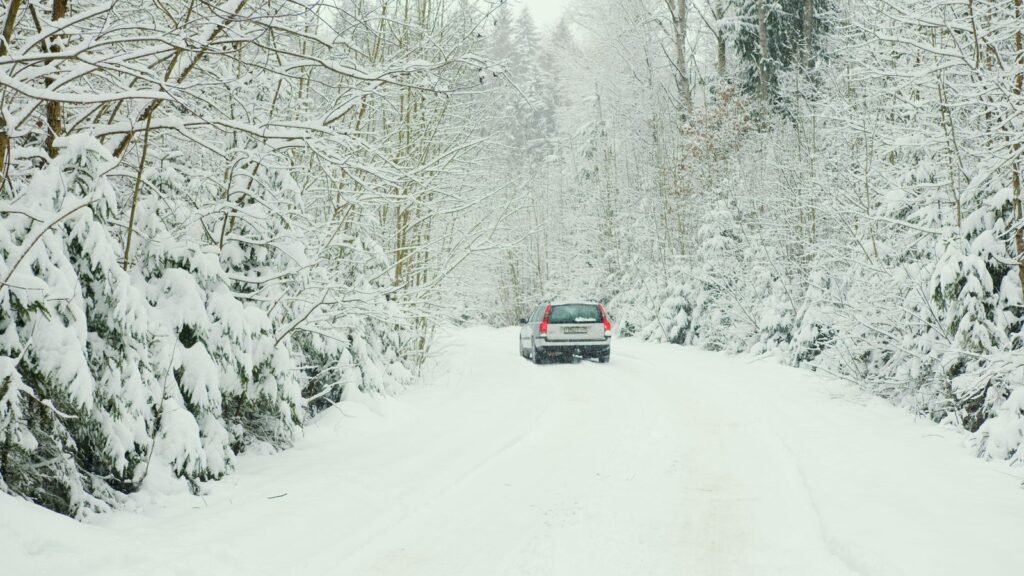
The car emergency kit list
Check items off as you pack. The year-round list stays in the car all the time; the winter list goes in when the temperatures drop.
Year-round essentials
- ☐ Jumper cables, or a portable jump starter so you don’t need a second car
- ☐ Reflective triangles or road flares
- ☐ A flashlight or headlamp, plus spare batteries
- ☐ A first aid kit with any medications you take
- ☐ A car phone charger and a charged power bank
- ☐ Bottled water and non-perishable snacks
- ☐ A paper road map of your area
- ☐ A multi-tool or pocket knife
- ☐ A tire pressure gauge and either tire sealant or a 12V air compressor
- ☐ Work gloves, duct tape and a few zip ties
- ☐ A rain poncho
- ☐ A whistle
Winter additions
- ☐ Ice scraper and snow brush
- ☐ A small collapsible shovel
- ☐ Cat litter or sand for traction (or road salt to melt ice)
- ☐ Blankets or a sleeping bag for each regular passenger
- ☐ Extra hats, gloves or mittens, socks and a warm jacket
- ☐ Chemical hand and toe warmers
- ☐ A battery-powered or hand-crank emergency radio
- ☐ Tow strap or tow chains
- ☐ Tire chains, if you drive where they’re required
- ☐ A bright red cloth or distress flag to signal for help
- ☐ Waterproof matches or a fire starter, and a metal can to melt snow for water
- ☐ Extra high-calorie food, such as emergency food bars
For back roads and trailheads
- ☐ Recovery boards for sand, mud and snow
- ☐ Two-way radios if you travel with a second vehicle (cell service is often gone where you’re most likely to get stuck)
- ☐ A full-size spare tire and the tools to change it (check that the jack actually fits your car)
- ☐ A printed copy of your route and a note of where you’ll be, left with someone at home
If you get stranded in winter
The National Weather Service’s advice for getting stranded in a winter storm comes down to staying with the car and staying warm without poisoning yourself. Here’s the plan:
- Stay in the vehicle. The NWS warns that you’ll get disoriented quickly in wind-driven snow. Your car is shelter, and it’s much easier for rescuers to find than a person on foot.
- Run the engine about 10 minutes each hour for heat. That stretches your fuel while keeping the cabin livable.
- Crack a window while the engine runs to let in fresh air.
- Keep the exhaust pipe clear of snow. A blocked tailpipe can push carbon monoxide into the cabin, and you won’t smell it.
- Make yourself visible. Turn on the dome light at night while the engine is running, tie a bright cloth (red is best) to the antenna or door, and raise the hood once the snow stops.
- Keep moving. Move your arms, legs, fingers and toes now and then to keep blood circulating, but don’t overexert yourself shoveling or pushing the car.
- Huddle up and layer up. Put on the extra clothes, share blankets, and drink water. Melt snow in a metal can if you run out.
Most winter strandings end within hours, and the kit above makes those hours uncomfortable rather than dangerous. The same cold-weather rules apply at home; our guide to what to do during a power outage covers staying warm safely when the heat goes out.
Before you drive in winter
- Check your tires. The CDC recommends making sure your tires have adequate tread and air pressure. Use the pressure listed on the sticker inside the driver’s door, and check it more often in winter, because tire pressure drops as temperatures fall.
- Keep your gas tank full. Ready.gov recommends it in case of evacuation or power outages, and a full tank also means more hours of heat if you’re stranded.
- Get a checkup. Ready.gov suggests having a mechanic look over your car before an emergency. Weak batteries are the classic winter failure.
- Charge your phone and check the forecast before you leave, and tell someone your route and when you expect to arrive.
How to pack it
Once you’ve gathered everything on the car emergency kit list, use a sturdy bin or duffel in the trunk so everything stays together, and keep a small bag with a blanket, hat, gloves and water inside the cabin. If you slide into a ditch, the trunk may be hard to reach.
Swap things out with the seasons. Water bottles can split when they freeze, so leave a little room in them or use sturdy ones. Summer heat is hard on batteries, power banks and medications, so check them each spring and fall, the same way you’d refresh a home kit.
Your car kit is one piece of the bigger picture. For your home, use our emergency preparedness kit list. For your home, see how to prepare for a winter storm.
Car emergency kit list FAQ
What should be in a car emergency kit?
At minimum: jumper cables or a jump starter, a flashlight with spare batteries, a first aid kit, a phone charger, water and snacks, reflective triangles and a basic tool kit. In winter, add an ice scraper, a shovel, cat litter or sand, blankets, warm layers and a battery or crank radio.
What should I do if I get stuck in the snow in my car?
Stay with the car. Run the engine about 10 minutes each hour for heat, crack a window while it runs, and keep the exhaust pipe clear of snow to avoid carbon monoxide poisoning. Turn on the dome light at night and tie a bright cloth to the antenna so rescuers can see you.
Is a jump starter better than jumper cables?
For most people, yes. A portable jump starter works without a second car, which matters on an empty road or in a parking lot at night. Keep it charged, because a dead jump starter is no help. Jumper cables are cheap and never need charging, so many drivers carry both.
Why keep cat litter in your car?
Cat litter or sand gives your tires traction on ice and packed snow. Spread it in front of the drive wheels and accelerate gently. Ready.gov and the CDC both include it in their car kit lists.
Should I keep water in my car in winter?
Yes, but expect it to freeze. Use sturdy bottles with a little room for expansion, and keep a metal can and a way to make fire so you can melt snow if you’re stranded for a long time.