
How to Prepare for a Winter Storm: Checklist and Safety Plan
 By Ian Freng
Updated November 17, 2026
When I’ve prepped for big winter storms, I’ve found that the dangerous part usually isn’t the snow itself. It’s what people do to stay warm once the power goes out. Running a generator in the garage, heating the kitchen with the oven, or bringing a camp stove inside can fill a house with carbon monoxide, and you can’t see or smell it. The supplies matter, but the safety rules matter more.
I’ve been prepping for 13 years and spending winters on the trail for longer than that, and this guide on how to prepare for a winter storm is built on official guidance from the CDC, Ready.gov (FEMA) and the National Weather Service. It covers what to stock, how to get your house ready, what to do while the storm hits, and how to stay safe once it’s over.
The short version
- Stock up before the storm: food that needs no cooking, water, medications, flashlights, a battery or crank radio and spare batteries. Plan for several days without power.
- Protect your pipes: when very cold weather is expected, let faucets drip and open the cabinet doors under sinks.
- Heat safely: never run a generator, grill or camp stove indoors, never heat your home with the oven, and have a CO alarm with battery backup.
- During the storm: stay home, stay off the roads, close off unused rooms and dress in layers.
- After the storm: shovel slowly, clear snow from furnace and CO vents, and know the signs of frostbite and hypothermia.
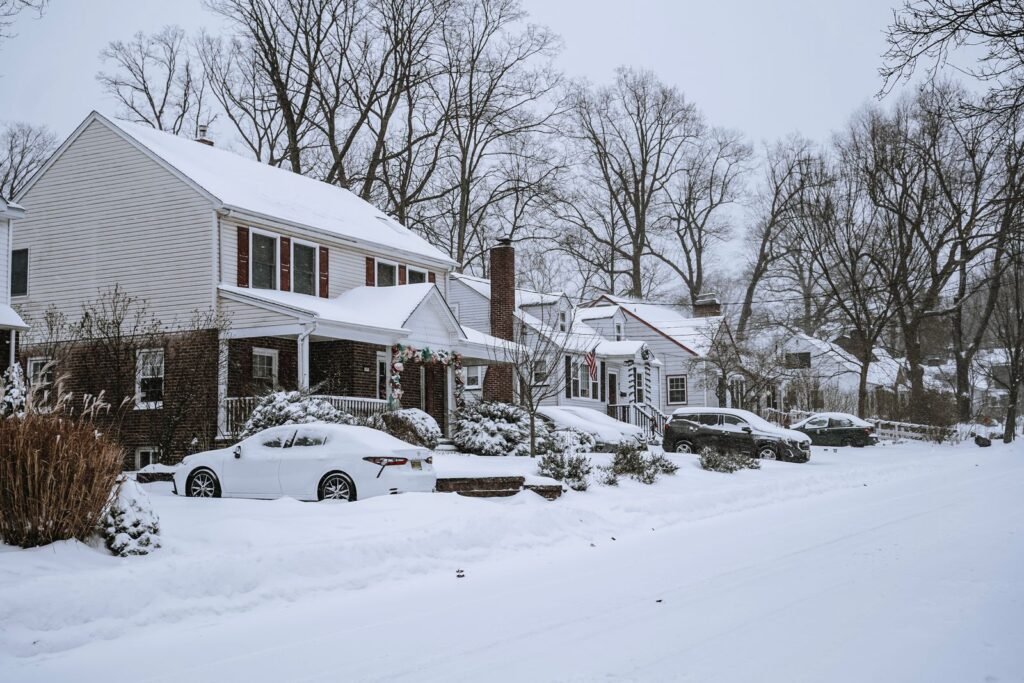
How to prepare for a winter storm: the supplies checklist
Ready.gov recommends having supplies to last several days without power. The National Weather Service adds a point people miss: refill your heating fuel early, because deliveries can take days after a storm. Check items off as you go.
Food, water and medicine
- ☐ Non-perishable food that needs no cooking or refrigeration, such as nuts, dried fruit and granola bars
- ☐ Drinking water, stored in sturdy containers in case pipes freeze
- ☐ Extra prescription medications
- ☐ A first aid kit
- ☐ Baby supplies such as diapers and formula, if you need them
- ☐ Extra pet food, and a warm place indoors for pets
Light, power and information
- ☐ Flashlights and spare batteries
- ☐ A battery-powered or hand-crank emergency radio, ideally with NOAA Weather Radio
- ☐ Charged power banks for phones
- ☐ A backup power source, such as a solar generator, which is safe to run indoors because it doesn’t burn fuel
- ☐ Your community’s emergency alerts, set up on your phone before the storm
Warmth and safety
- ☐ Extra blankets and sleeping bags for everyone in the house
- ☐ Warm layers, hats, gloves or mittens, and a warm jacket for each person
- ☐ Smoke alarms and carbon monoxide alarms with battery backup, tested
- ☐ A fire extinguisher
- ☐ A full tank of heating fuel, and dry firewood if you have a fireplace or wood stove
- ☐ A snow shovel and ice melt or sand
Most of this overlaps with a general home kit. If you’re starting from scratch, our emergency preparedness kit list covers the rest.
Get your home ready
Keep pipes from freezing
Burst pipes are one of the most expensive winter storm problems, and most of the prevention is free. The CDC recommends:
- Let faucets drip. When very cold weather is expected, leave taps slightly open so they drip continuously.
- Let warm air reach the pipes. Keep the house warm and open the cabinet doors under sinks.
- Insulate exposed lines. Water lines that run along exterior walls are the most likely to freeze.
- Thaw frozen pipes slowly. Use warm air from a hair dryer, never a torch.
It’s also worth finding your main water shutoff valve now, while it’s warm and light out. If a pipe does burst, turning off the water fast is what limits the damage.
Seal and insulate
Ready.gov and the CDC both recommend caulking and weather-stripping doors and windows and insulating walls and the attic. The CDC also suggests covering windows with plastic from the inside, trimming branches that could fall on the house, and having your furnace and chimney checked before winter.
Plan your heat safely
This is where people get hurt. The rules from the CDC and Ready.gov are short and absolute:
- Never run a generator indoors, including in a garage, basement or carport, even with doors or windows open. Keep it outside, at least 20 feet from doors, windows and vents.
- Never use a grill, camp stove or gas or propane heater indoors.
- Never heat your home with a gas stovetop or oven.
- Install CO alarms on every level of your home, with battery backup so they still work when the power is out. Test them monthly.
- Give space heaters room. Keep them at least 3 feet from drapes, furniture and bedding, never cover them, and don’t plug them into an extension cord. Pick a model with automatic shut-off.
- Use fireplaces and wood stoves only if they’re vented to the outside, and burn only the fuel they’re designed for.
During the storm
Once a Winter Storm Warning is issued, Ready.gov’s advice is to get to shelter and stay off the roads. At home, the goal is to hold on to the heat you have.
- Heat a smaller space. The NWS recommends closing off unneeded rooms, stuffing towels or rags under doors, and closing blinds or curtains. Gathering everyone in one room makes the heat go further.
- Dress in layers. Loose, lightweight, warm layers trap heat better than one heavy layer. Take a layer off before you start sweating, because damp clothes chill you fast.
- Eat and drink. Food gives your body fuel to make heat. Drink water and other non-caffeinated, non-alcoholic drinks.
- Limit time outside and keep your face, ears, fingers and toes covered when you go out.
- Keep checking your CO alarm, and if it sounds, get everyone outside and call 911.
If the power goes out, our guide to what to do during a power outage covers food safety, keeping phones charged and staying warm without the furnace.
If you have to drive
The best plan is not to. If you must, keep the gas tank near full, tell someone your route, and carry a winter kit with blankets, a shovel, cat litter or sand, water and snacks. If you get stranded, the NWS says to stay in the car, run the engine about 10 minutes each hour for heat, crack a window and keep the exhaust pipe clear of snow. Our car emergency kit list has the full checklist.
After the storm
Shovel carefully
Cold air plus hard work is a real strain on the heart. Ready.gov and the NWS both warn that overexertion while shoveling snow can cause a heart attack. Pace yourself, take breaks, and let someone else do it if you have heart problems or aren’t in good health. Once it’s safe to go out, the NWS says to make sure snow isn’t blocking your gas furnace vent or your CO detector’s outside vent.
Know the signs of frostbite and hypothermia
Frostbite: According to the CDC, redness or pain in the skin may be the first sign. Watch for numbness and skin that looks white or grayish-yellow or feels unusually firm or waxy. Get the person somewhere warm and use warm (not hot) water. Don’t rub the area, and don’t warm it with a heating pad, stove or fireplace.
Hypothermia: In adults, the CDC lists shivering, exhaustion, confusion, fumbling hands, memory loss, slurred speech and drowsiness. Infants may have bright red, cold skin and very low energy. A body temperature below 95°F is an emergency. Get medical help, move the person somewhere warm, remove wet clothing, and warm the center of the body first: chest, neck, head and groin.
Once the roads are clear, restock what you used. A storm is the best test of your kit, so write down what you wished you’d had and add it before the next one.
How to prepare for a winter storm FAQ
How far ahead should I prepare for a winter storm?
Build your kit and do your home prep before winter starts, when stores are calm and you have time to fix things like drafty windows. When a storm is in the forecast, use the days before it arrives to refill heating fuel, charge everything, fill the gas tank and buy any medications you’re short on.
Should I let my faucets drip during a winter storm?
Yes, when very cold weather is expected. The CDC recommends leaving taps slightly open so they drip continuously, and opening the cabinet doors under sinks so warm air reaches the pipes. If a pipe freezes, thaw it with a hair dryer, never a torch.
Is it safe to use a generator during a winter storm?
Only outdoors. The CDC says generators must never run inside a home, garage, basement or carport, even with the doors open. Keep it at least 20 feet from doors, windows and vents, and have a battery-backup CO alarm inside. A battery-based solar generator is the safer option for indoor use.
How do I stay warm if the power goes out in a winter storm?
Close off unused rooms and gather in one, stuff towels under doors, close the curtains, and dress in layers with hats and blankets. Eat and drink to help your body make heat. Never use the oven, a grill or a camp stove for heat.
What is the best way to learn how to prepare for a winter storm?
Start with the official checklists from Ready.gov, the CDC and the National Weather Service, then make a plan for your own home: where your water shutoff is, how you’ll heat one room safely, and who you’ll check on. This guide pulls those checklists together in one place.