The Best Car Emergency Kit for Winter and Roadside Trouble (2026)
 By Ian Freng
Updated November 23, 2026
When I drive mountain passes and back roads in winter, I’ve found that the trouble that strands people is usually small: a dead battery, a low tire or a car slid off into a snowbank, and the right gear turns hours of waiting into minutes. The best car emergency kit covers those roadside basics in one bag, and then you add the winter items no prebuilt kit fully covers, like water, food, warm layers and a phone charger. Below are four prebuilt kits compared by what’s actually inside them, plus a winter add-on list based on Ready.gov and CDC advice.
Quick answer: Our top pick is the Everlit Survival Car Emergency Kit (best overall). A roadside kit with 12 ft jumper cables, a digital tire inflator, a tow strap, a flashlight, gloves and a first aid kit.
- Best for winter: Winter Car Emergency Kit with Snow Shovel (92 items)
- Best for being seen: AUTODECO Roadside Assistance Kit
- Best budget: General Medi 127-Piece Roadside Kit
Best car emergency kits compared
| Product | Pieces | Jump-start | Air compressor | Winter gear | Buy |
|---|---|---|---|---|---|
 Everlit Survival Car Emergency Kit
Best overall |
Not stated | 12 ft cables | Yes (digital) | Gloves, poncho | $69.95 at Amazon |
 Winter Car Emergency Kit with Snow Shovel (92 items)
Best for winter |
92 | 12 ft, 8-gauge cables | Yes (250 PSI) | Shovel, scraper, brush | $79.99 at Amazon |
 AUTODECO Roadside Assistance Kit
Best for being seen |
Not stated | Jumper cables | Yes (tire inflator) | Shovel, blanket, gloves | $30.39 at Amazon |
 General Medi 127-Piece Roadside Kit
Best budget |
127 | Jumper cables | No | No | $39.99 at Amazon |
Amazon price as of Nov 23, 2026 5:25 pm GMT+0000. Prices and availability are accurate as of the date/time indicated and are subject to change.
We may earn a commission when you buy through links on this page, at no extra cost to you. As an Amazon Associate we earn from qualifying purchases.
Quick picks
- Best overall: Everlit Survival Car Emergency Kit: 12 ft cables, a digital air compressor and a tow strap in one bag.
- Best for winter: Winter Car Emergency Kit with Snow Shovel (92 items): roadside basics plus a snow shovel, ice scraper and snow brush in one bag.
- Best for being seen: AUTODECO Roadside Assistance Kit: cables, a tire inflator, a vest and a triangle, plus a shovel and blanket.
- Best budget: General Medi 127-Piece Roadside Kit: the basics for a second car or a new driver’s first kit.
How I picked these
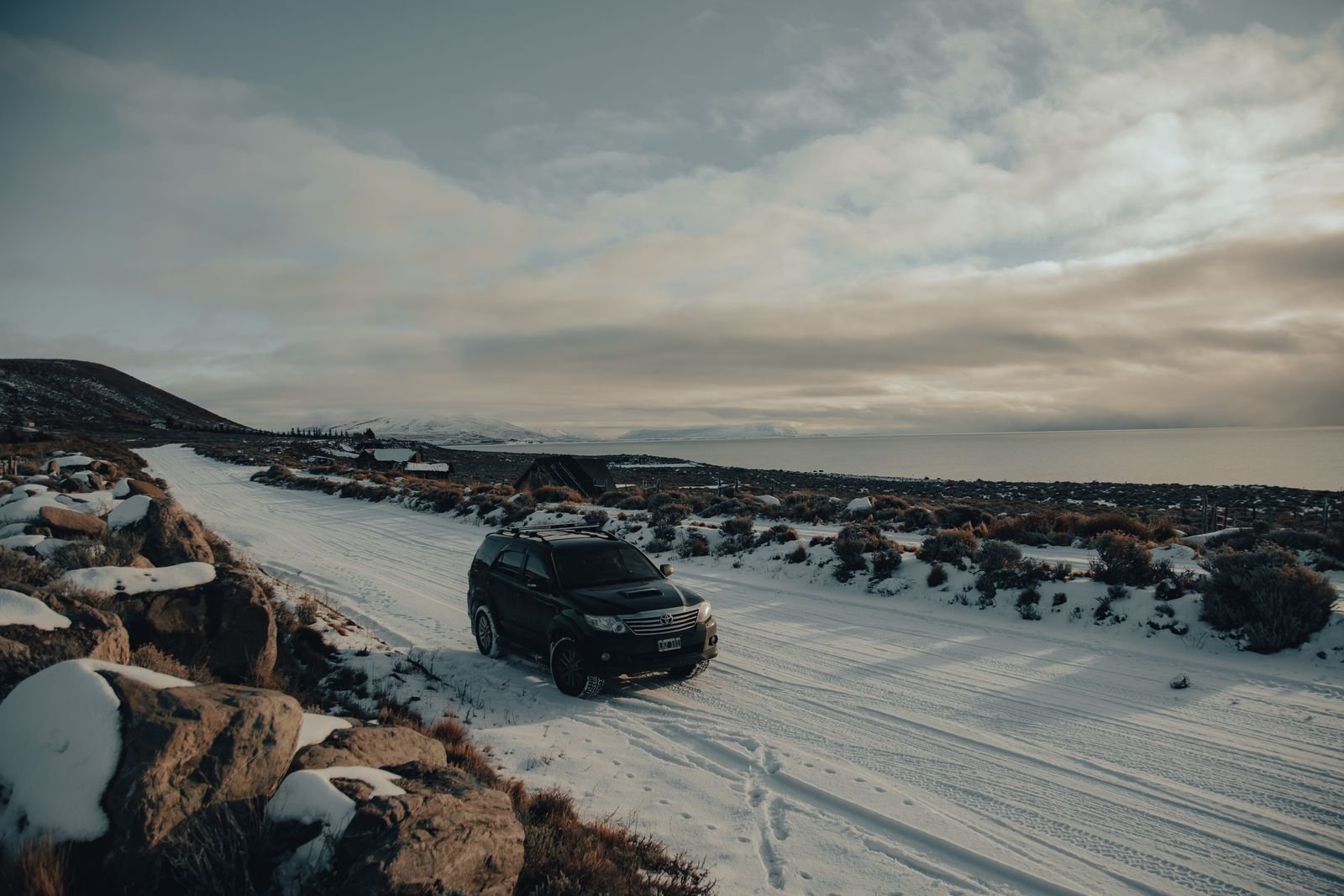
I’ve been hiking for 20 years and prepping for 13, and a lot of that time is spent driving to trailheads on roads where help can be an hour away. A car kit is one of the first things I tell new preppers to build. For this guide I compared prebuilt kits on what they actually contain, not on piece counts, which mostly count bandages. I looked for the gear that solves the common problems: jumper cables, a way to air up a tire, a warning triangle, light, first aid and, for winter, a shovel and warm layers. Contents come from each maker’s listing or product page, and every pick was listed on Amazon when this guide was published.
No prebuilt kit is complete. Most don’t include water, food, a phone charger or enough warm clothing for a cold night, so we included a winter add-on list below. We also didn’t count jumper cables as a cure-all: they need a second car. If you often drive alone, a portable jump starter is the better tool, and we cover those in a separate guide.
1. Everlit Survival Car Emergency Kit: best overall
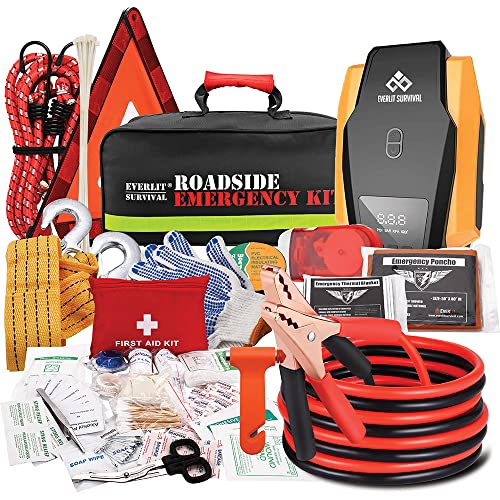
Everlit Survival Car Emergency Kit with 12 ft Jumper Cable, Digital Air Compressor, Tow Strap, Flashlight and First Aid Kit
A roadside kit with 12 ft jumper cables, a digital tire inflator, a tow strap, a flashlight, gloves and a first aid kit.
- Pieces Not stated
- Jump-start 12 ft cables
- Air compressor Yes (digital)
- Winter gear Gloves, poncho
What we like
- 12 ft jumper cables give more reach than 8-10 ft sets
- Digital air compressor tire inflator
- Tow strap for getting pulled out
- Gloves, poncho and flashlight
- First aid kit (108 pieces, per the listing)
What we don't
- No shovel or ice scraper
- A tow strap needs a second vehicle and safe recovery points
Amazon price as of Nov 23, 2026 5:25 pm GMT+0000. Prices and availability are accurate as of the date/time indicated and are subject to change.
The Everlit kit covers the three most common roadside problems in one bag: a dead battery, a low tire and a car that needs a pull. Everlit’s listing includes 12-foot jumper cables, a digital air compressor tire inflator, a tow strap, a flashlight, gloves and a first aid kit, and the listing for the same item on Amazon India adds a poncho, describes the flashlight as hand-cranked and counts 108 pieces of first aid supplies.
The 12-foot cables are longer than the 8- to 10-foot sets in many kits, which helps when the cars can’t park nose to nose, like on a narrow shoulder or in a tight parking spot. A digital compressor lets you set the pressure and read it on a screen, and a slow leak or a tire that’s low after a cold night is far more common than a blowout. The tow strap is useful if another driver can pull you out of a ditch or snowbank, but only hook it to proper recovery points on both vehicles, never to a bumper or suspension part, and stand well clear while it’s under tension.
Where it falls short: it has no winter gear like a shovel or scraper, and the listing doesn’t give a full piece count. A tow strap is only as safe as the recovery points you attach it to.
2. Winter Car Emergency Kit with Snow Shovel (92 items): best for winter
Car Emergency Safety Kit Bag with Digital Air Compressor, Jumper Cables, First Aid Kit and Detachable Snow Shovel (92 Items)
A 92-item roadside and winter kit with a 250 PSI digital air compressor, 12 ft jumper cables, a tow rope and a detachable snow shovel.
- Pieces 92
- Jump-start 12 ft, 8-gauge cables
- Air compressor Yes (250 PSI)
- Winter gear Shovel, scraper, brush
What we like
- Detachable snow shovel, ice scraper and snow brush
- 12V digital air compressor (250 PSI, per the listing)
- 12 ft, 8-gauge jumper cables
- Tow rope, warning triangle, flashlight and safety hammer
- 55-piece first aid kit and tire repair kit
What we don't
- No warm layers or blanket
- Specs differ slightly between Amazon US and India listings
- Generic brand
Amazon price as of Nov 23, 2026 5:25 pm GMT+0000. Prices and availability are accurate as of the date/time indicated and are subject to change.
Most roadside kits are built around a dead battery. This one adds the gear for getting unstuck in snow. Its Amazon listing includes a detachable snow shovel, an ice scraper and a snow brush, along with a 12-volt digital air compressor rated to 250 PSI, 12-foot 8-gauge jumper cables, a tow rope, a reflective warning triangle, a flashlight, a safety hammer, a tire repair kit, a raincoat and a 55-piece first aid kit. The listing counts 92 items in all.
The shovel is the item that matters most in winter. Clearing snow from around the tires and the tailpipe is often the difference between driving out and waiting for a tow, and the CDC says a clear exhaust pipe reduces the risk of carbon monoxide if you run the engine for heat. Note that the listing for the same item on Amazon India gives slightly different cable and first aid specs, so check the box when it arrives.
Where it falls short: it doesn’t include any warm layers, blankets or hand warmers, so add those for a long wait. It’s a generic-brand kit, and the listings don’t fully agree on cable specs.
3. AUTODECO Roadside Assistance Kit: best for being seen
AUTODECO Car Emergency Roadside Assistance Kit with Jumper Cables and Tire Inflator
A roadside kit with jumper cables, a tire inflator, a reflective vest and triangle, a tow rope, a shovel and an emergency blanket.
- Pieces Not stated
- Jump-start Jumper cables
- Air compressor Yes (tire inflator)
- Winter gear Shovel, blanket, gloves
What we like
- Jumper cables and tire inflator
- Reflective safety vest and warning triangle
- Shovel, gloves and emergency blanket
- Tow rope, safety hammer and rain coat
- Comes in its own storage bag
What we don't
- Listing doesn't give cable length or gauge
- Several AUTODECO kits have similar names but different contents
Amazon price as of Nov 23, 2026 5:25 pm GMT+0000. Prices and availability are accurate as of the date/time indicated and are subject to change.
The AUTODECO kit packs a lot of the gear that keeps you safe on the shoulder. Its Amazon listing includes jumper cables, a tire inflator, a shovel, a safety hammer, gloves, electrical tape, an emergency blanket, a reflective warning triangle, a reflective safety vest, a tow rope, a rain coat and an auto tester, all in a storage bag.
The vest and triangle are underrated. If you have to get out at night or in snow, being seen by other drivers matters more than almost anything else in the bag. The shovel and blanket give it a head start on winter, though you’ll still want warmer layers for a long wait. AUTODECO sells several kits with similar names and different contents, so check that the listing matches this one.
Where it falls short: the listing doesn’t say how long or thick the jumper cables are, and there’s no first aid kit listed. Add a first aid kit, a flashlight and warm layers.
4. General Medi 127-Piece Roadside Kit: best budget
General Medi 127-Piece Roadside Car Emergency Kit with Mini First Aid Kit, Jumper Cables, Tow Rope, Safety Vest and Emergency Triangle
A budget roadside kit with jumper cables, a tow rope, a safety vest, a warning triangle and a mini first aid kit.
- Pieces 127
- Jump-start Jumper cables
- Air compressor No
- Winter gear No
What we like
- Jumper cables and tow rope
- Reflective safety vest for being seen on the shoulder
- Emergency warning triangle
- Mini first aid kit with bandages
- Compact all-in-one bag
What we don't
- No air compressor
- No winter gear
- Most of the 127 pieces are small first aid items
Amazon price as of Nov 23, 2026 5:25 pm GMT+0000. Prices and availability are accurate as of the date/time indicated and are subject to change.
If you’re stocking a second car or putting together a kit for a new driver, the General Medi kit covers the basics in one bag. Its Amazon listing includes jumper cables, a tow rope, a reflective safety vest, an emergency warning triangle and a mini first aid kit with bandages.
The vest and triangle make it a good fit for a teen driver’s car, where being seen on the shoulder is the first priority. Like most budget kits, the high piece count comes mostly from first aid items, so treat it as a starting point and add a flashlight, a scraper and winter layers.
Where it falls short: there’s no air compressor, flashlight or winter gear, and the listing doesn’t break down the 127 pieces. Plan to add your own light, warmth and a shovel.
What to add to any car kit for winter
- Warmth: a wool blanket or sleeping bag for each person, plus a hat, gloves and dry socks. Add a few emergency blankets and hand and toe warmers.
- Water and food: bottled water and high-calorie snacks that won’t spoil, like nuts and energy bars. Check them every season.
- Phone power: a car charger and a charged power bank, since your phone is how you’ll call for help.
- Traction: a bag of cat litter or sand, a compact shovel and an ice scraper with a brush.
- Light and signals: a flashlight or headlamp with spare batteries, plus a bright cloth to tie to your antenna.
- A jump starter: a portable jump starter works without a second car. See our guide to the best jump starter.
- Paper backup: a road map and a written list of emergency contacts, in case your phone dies.
Ready.gov’s car kit list starts with cables for jump-starting a dead battery, flares or a reflective triangle, an ice scraper, a car charger for your phone, a blanket, a road map, and cat litter or sand to help tires grip. Its winter weather page adds a flashlight, warm clothing, blankets, bottled water and non-perishable snacks. No prebuilt kit above has all of that, so here’s what to add yourself. Our full car emergency kit list goes further.
If you’re stranded in your car in winter
- Keep the tailpipe clear. The CDC says to make sure snow isn’t blocking the exhaust pipe, which reduces the risk of carbon monoxide poisoning. A CDC report on a 1996 blizzard found that CO got into idling cars through leaks when snow blocked the tailpipe.
- Run the engine in short bursts. The CDC suggests running the motor and heater for about 10 minutes per hour, with one window opened slightly to let in fresh air. This saves fuel and limits CO buildup.
- Make yourself visible. The CDC suggests tying a bright cloth, preferably red, to your antenna or door.
- Stay warm and moving. Wrap up in blankets, huddle together, and move your arms and legs to keep blood flowing. Drink water to stay hydrated.
- Never use a stove, grill or heater in the car. Camp stoves and portable propane heaters are not for use in a closed vehicle. The Mr. Heater manuals say not to operate their heaters in any moving vehicle.
Ready.gov’s advice is simple: if you’re trapped in your car, stay inside. The National Weather Service adds that you shouldn’t wear yourself out trying to push or shovel the car out. Your car is shelter, and it’s much easier for rescuers to find than a person on foot.
How to choose the best car emergency kit
- Look at the contents, not the piece count. A kit with 127 pieces may be mostly bandages. Check for the items that solve real problems: jumper cables, a tire inflator, a warning triangle, light, first aid and, for winter, a shovel.
- Check the jumper cables. Longer cables reach between cars more easily, and a lower gauge number means a thicker cable. The Everlit and the 92-item winter kit both list 12-foot cables, and the winter kit lists 8-gauge.
- Get a tire inflator if you can. A low tire is one of the most common roadside problems, and cold weather drops tire pressure. Three of the kits here include a tire inflator.
- Match it to where you drive. In snow country, the right setup is a roadside kit plus a winter kit, or one kit plus the add-ons in the list above.
- Make sure it fits. Kits that live under a seat or in a trunk well get carried. A kit that’s too bulky ends up in the garage.
Prepare the car itself
A kit helps after something goes wrong, but Ready.gov’s first advice is to keep the car from breaking down. Before winter, have a mechanic check the antifreeze, battery and ignition system, brakes, exhaust system, fuel and air filters, heater and defroster, lights and hazard lights, oil, thermostat, and wipers and washer fluid. Use winter tires with enough tread, and carry any chains or studs your area requires.
Ready.gov also says to keep your gas tank full, which gives you fuel to run the heater if you’re stranded and, in its words, “will also keep the fuel line from freezing.” On icy or snowy roads, turn off cruise control, and in bad weather, drive only when you have to. Check the forecast and road conditions before long trips, and tell someone your route and when you expect to arrive.
Check your kit twice a year
- Pick two dates. Check the kit when the clocks change in spring and fall, the same time you check your home’s smoke and CO alarms.
- Swap the seasonal gear. Add blankets, a shovel, warmers and a scraper in the fall, and swap in extra water and sun protection in the spring.
- Replace what expires. Water, snacks, batteries, hand warmers and some first aid supplies have dates. Replace anything that’s expired or been used.
- Test the electronics. Turn on the flashlight, run the compressor for a minute and charge the jump starter and power bank.
Best car emergency kit FAQ
What is the best car emergency kit?
For most drivers, our top pick is the Everlit Survival Car Emergency Kit, which includes 12-foot jumper cables, a digital air compressor, a tow strap, a flashlight and first aid. If you drive in snow, the 92-item winter kit adds a snow shovel, ice scraper and snow brush, or you can build your own winter add-on bag.
What should be in a car emergency kit for winter?
Ready.gov lists cables for jump-starting, flares or a reflective triangle, an ice scraper, a phone charger, a blanket, a road map, and cat litter or sand. Its winter page adds a flashlight, warm clothing, blankets, bottled water and snacks. A small shovel and hand warmers are worth adding too.
Are prebuilt car emergency kits worth it?
Yes, as a starting point. A prebuilt kit puts jumper cables, a triangle, first aid and tools in one bag so they’re always in the car. But most don’t include water, food, a phone charger or enough warm clothing, so add those yourself.
Should I get jumper cables or a jump starter?
Jumper cables are cheap and reliable but need a second car. A portable jump starter lets you start your own car, which is better if you often drive alone or on empty roads. Many drivers carry both.
What should I do if I’m stranded in my car in a snowstorm?
Stay in the car. Keep snow cleared from the tailpipe, run the engine and heater for about 10 minutes per hour with one window opened slightly, and tie a bright cloth to the antenna so rescuers can find you. Don’t wear yourself out trying to push or dig the car out.
Where should I keep a car emergency kit?
Keep the main kit in the trunk or cargo area, secured so it can’t slide around. Keep a flashlight, a phone charger and a small first aid kit within reach of the driver’s seat, in case you can’t get to the trunk.
Final thoughts on the best car emergency kit
The best car emergency kit for most drivers is the Everlit Survival Car Emergency Kit: it has long jumper cables, a digital air compressor, a tow strap and first aid in one bag. Choose the 92-item winter kit if you drive in snow, the AUTODECO kit for a vest, triangle and shovel, or start with the General Medi kit for a second car. Then finish the job yourself with water, food, warm layers, a phone charger and a jump starter, and check it all twice a year.
For a complete checklist, see our car emergency kit list and our guide to the best jump starter. For winter warmth, see the best emergency blankets and best hand warmers. And for storms at home, read how to prepare for a winter storm and what to do during a power outage.